Your Health, Our Priority
Access comprehensive care across London with Integrated Health and Social Care Services UK. Connect with specialists and trusted partners to meet all your health and social needs.
Comprehensive Health and Social Care Solutions Across the UK
Integrated Health And Social Care Services UK, is dedicated to providing comprehensive and compassionate health and social care across the United Kingdom. Our experienced team collaborates with communities to enhance well-being and ensure accessible, high-quality services for all. By integrating innovative care models with a client-centered approach, we strive to meet the diverse needs of individuals and families, promoting a healthier and more connected society.
UK Health, Medicare & Social Care Services
A comprehensive, professionally rewritten alphabetical list

Integrated Health & Social Care Services in the UK
1. Primary Care Services
General Practice (GP services)
GP Out-of-Hours services
Community pharmacies
NHS dental services
High street optometry/ophthalmic services
Health visiting services
School nursing services
First Contact Physiotherapists (FCPs) in GP practices
Physician associates in primary care
Social prescribers / link workers
2. Community Health Services
District nursing
Community matrons
Community physiotherapy
Community occupational therapy
Community dietetics
Community podiatry
Community speech and language therapy (SALT)
Community psychology and counselling
Respiratory community teams (COPD, asthma)
Heart failure community teams
Community diabetes teams
Tissue viability nursing
Continence services
Community rehabilitation services
Intermediate care / rapid response teams
Falls prevention services
Telehealth remote monitoring services
Community stroke rehabilitation
Community palliative care (hospice outreach)
Hospital-at-home teams
3. Social Care Services (Local Authority)
Adult social care assessments
Children’s social care services
Safeguarding services (adults & children)
Home care (domiciliary care)
Reablement services
Supported living services
Residential care homes
Nursing care homes
Mental capacity assessments (MCA/DoLS)
Learning disability support services
Autism support services
Carers support services
Substance misuse support (social care element)
Homelessness prevention and housing support
Domestic abuse support services
Employment and independent living support
Direct payments support services
4. Mental Health Services
Community mental health teams (CMHT)
Child and Adolescent Mental Health Services (CAMHS)
Crisis resolution & home treatment teams
Early intervention in psychosis teams
Perinatal mental health services
Psychiatric liaison teams (in hospitals)
Forensic mental health services
Learning disability mental health teams
Talking therapies (IAPT / NHS Talking Therapies)
Eating disorder services
Dementia assessment and memory clinics
Mental health social workers
Approved Mental Health Professionals (AMHPs)
5. Specialist Acute Hospital Services
Accident & Emergency (A&E)
Acute medical units
Surgical services
Maternity services
Neonatal services
Outpatient clinics
Diagnostic imaging
Pathology services
Oncology and cancer services
Renal (kidney) services
Cardiology services
Gastroenterology services
Respiratory medicine
Endocrinology and diabetes
Neurology
Orthopaedics
Rheumatology
Haematology
Ophthalmology
ENT (Ear, Nose & Throat)
Dermatology
Urology
Paediatrics
Stroke services
Intensive care units (ICU)
Rehabilitation and therapy units
Pain management services
Burns and plastics services
6. Public Health Services
Immunisations & vaccinations
Screening programmes (breast, cervical, bowel, etc.)
Sexual health & GUM clinics
Smoking cessation services
Weight management & obesity prevention
Alcohol and drug misuse services
Health protection (infection control)
Environmental health services
Public mental health programmes
7. Specialist Long-Term Condition Services
Diabetes management services
COPD/asthma services
Cardiac rehabilitation
Stroke follow-up services
Arthritis & musculoskeletal (MSK) services
Chronic pain services
Epilepsy services
Learning disability health teams
Autism diagnostic services
Dementia support services
HIV and sexual health specialist services
8. Palliative & End-of-Life Care
Hospice inpatient care
Hospice community outreach
Palliative nurse specialists
Macmillan and Marie Curie services
Advance care planning teams
9. Children & Young People’s Services
Health visitors
School nurses
Paediatric community nurses
Children’s safeguarding services
SEND services (special educational needs & disabilities)
Looked-after children support
Youth offending teams
Early help family support services
10. Allied Health & Therapy Services
Physiotherapists
Occupational therapists
Dietitians
Speech and language therapists
Art therapists
Music therapists
Drama therapists
Podiatrists
Orthotists & prosthetists
Radiographers
Paramedics
Operating department practitioners (ODPs)
11. Additional Support & Community Services
Voluntary sector social care providers
Advocacy services
Befriending services
Transport and mobility support
Day centres
Community mental health peer support groups
Faith-based health support programmes
Carer respite services
Community wellbeing hubs
12. Specialists Involved in Integrated Care Teams (Professionals)
General Practitioners (GPs)
Community nurses
Social workers
Mental health nurses
Psychiatrists
Psychologists
Physiotherapists
Occupational therapists
Pharmacists (clinical & community)
Paramedics
Health and social care coordinators
Care navigators
Housing officers
Support workers
Carers (paid)
Carers (unpaid family carers)
AMHPs (mental health specialists)
Safeguarding leads
Care home nurses
Practice managers (GP practices)
Case managers
Learning disability nurses
Palliative care specialists
Public health nurses
Professional conclusion summarising all integrated health and social care services and specialists listed above:
Conclusion
Integrated health and social care in the UK brings together a wide and diverse range of services and specialists who work collaboratively to support individuals across every stage of life, health need, and social circumstance. From primary care and community health to social care, mental health, public health, acute hospital services, and specialist long-term condition management, the system is designed to deliver coordinated, person-centred care that meets both medical and social needs.
Professionals across disciplines—including GPs, nurses, social workers, therapists, mental health practitioners, pharmacists, allied health professionals, public health experts, and voluntary sector partners—combine their skills to offer seamless support. This multidisciplinary approach ensures that individuals receive the right care, at the right time, in the right place, whether at home, in the community, or in hospital.
By integrating prevention, early intervention, acute treatment, rehabilitation, and ongoing support, the UK’s health and social care system aims to improve outcomes, reduce inequalities, promote independence, and enhance the overall wellbeing of individuals, families, and communities. Ultimately, these services and specialists work together to deliver safer, more effective, and more compassionate care for all.
Integrated health and social care in the UK encompasses a comprehensive network of services and specialists working together to meet the medical, social, and wellbeing needs of individuals across all ages and circumstances. This includes primary care, community health, mental health, social care, public health, acute hospital services, specialist long-term condition management, palliative care, and children and young people’s services. Professionals such as GPs, nurses, social workers, therapists, psychologists, psychiatrists, pharmacists, allied health professionals, and voluntary sector workers collaborate in multidisciplinary teams to provide coordinated, person-centred care. By combining prevention, early intervention, treatment, rehabilitation, and ongoing support, the integrated system aims to improve health outcomes, promote independence, reduce inequalities, and enhance overall quality of life for individuals, families, and communities.
Comprehensive and detailed overview of Primary Care Services in the UK, including all key elements, functions, and specialists involved:
Primary Care Services in the UK
Primary care is the first point of contact for individuals accessing the healthcare system. It provides comprehensive, accessible, and community-based care, focusing on health promotion, disease prevention, diagnosis, treatment, and the management of chronic conditions. Primary care forms the backbone of the NHS and is central to integrated health and social care services.
1. General Practice (GP Services)
Role: GPs provide assessment, diagnosis, treatment, referral, and ongoing management of acute and chronic illnesses. They also deliver preventive care, health checks, vaccinations, and health advice.
Specialists involved: General Practitioners, Practice Nurses, Physician Associates, Health Care Assistants.
Functions:
Management of long-term conditions (e.g., diabetes, hypertension, asthma)
Minor surgical procedures
Prescribing medications
Referrals to secondary and tertiary care
Preventive health advice and screening
2. GP Out-of-Hours Services
Role: Provides urgent primary care when GP practices are closed (evenings, nights, weekends, and bank holidays).
Specialists involved: GPs, emergency nurse practitioners, paramedics.
Functions:
Urgent consultations
Home visits for acutely ill patients
Telephone triage and advice
Referral to emergency care if necessary
3. Community Pharmacies
Role: Deliver medicines, advise on minor illnesses, support long-term conditions, and provide public health interventions.
Specialists involved: Pharmacists, pharmacy technicians, pharmacy assistants.
Functions:
Dispensing prescription medications
Over-the-counter advice
Smoking cessation and weight management programs
Vaccination services (e.g., flu, COVID-19)
Medication reviews and adherence support
4. NHS Dental Services
Role: Oral health care for prevention, diagnosis, and treatment of dental diseases.
Specialists involved: Dentists, dental hygienists, dental nurses, orthodontists.
Functions:
Routine check-ups and cleaning
Restorative treatments (fillings, crowns)
Orthodontic treatment for children and adults
Oral cancer screening
Emergency dental care
5. High Street Optometry / Ophthalmic Services
Role: Eye health care and vision correction.
Specialists involved: Optometrists, ophthalmic technicians, dispensing opticians.
Functions:
Vision testing and prescription of glasses or contact lenses
Detection of eye diseases (glaucoma, cataracts, diabetic retinopathy)
Referral to hospital ophthalmology services for treatment
Eye health advice and preventative screening
6. Health Visiting Services
Role: Support for families with children under five, focusing on health, development, and safeguarding.
Specialists involved: Health visitors (specialist nurses or midwives).
Functions:
Newborn and infant checks
Immunisation programs
Parental guidance on nutrition, sleep, and development
Safeguarding and referral to social care if needed
7. School Nursing Services
Role: Promote health and wellbeing for school-aged children.
Specialists involved: School nurses, community nurses, health education specialists.
Functions:
Immunisations and health screenings
Health promotion and education
Support for mental health and emotional wellbeing
Liaison with parents, teachers, and local health services
8. First Contact Physiotherapists (FCPs)
Role: Direct access to physiotherapy in primary care for musculoskeletal problems.
Specialists involved: Physiotherapists with extended practice in primary care.
Functions:
Assessment and diagnosis of musculoskeletal conditions
Management plans and exercise prescriptions
Referral to secondary care if needed
Reducing GP workload for musculoskeletal complaints
9. Physician Associates in Primary Care
Role: Support GPs and other primary care clinicians in patient assessment and management.
Specialists involved: Physician associates trained in general medicine.
Functions:
History taking and examination
Ordering and interpreting tests
Diagnosing and managing conditions under GP supervision
Health promotion and follow-ups
10. Social Prescribers / Link Workers
Role: Connect patients with non-medical community support to improve wellbeing.
Specialists involved: Social prescribers, link workers, community navigators.
Functions:
Referral to social support services, clubs, or activities
Addressing mental health, loneliness, or social determinants of health
Linking patients with housing, employment, and financial advice
Supporting self-management of long-term conditions
Key Features of UK Primary Care Services
Accessibility: First point of contact, widely available across the community.
Continuity of care: Long-term relationships with patients improve outcomes.
Integration: Close collaboration with secondary care, community health, and social services.
Prevention-focused: Health promotion, screenings, immunisations, and early interventions.
Multidisciplinary teams: GPs, nurses, pharmacists, allied health professionals, social workers, and community services work together.
Conclusion
Primary care services in the UK provide comprehensive, accessible, and community-centred care, serving as the foundation of the NHS. They integrate medical, therapeutic, and social support to prevent illness, manage chronic conditions, and promote wellbeing, while acting as a gateway to specialist services and broader health and social care networks.
Detailed, service-by-service description of all the other integrated health and social care services in the UK, in the same style and depth as the Primary Care Services section. Below is a structured overview for each category:
1. Community Health Services
Community health services provide care and rehabilitation closer to patients’ homes, reducing the need for hospital visits and supporting long-term conditions and recovery. They bridge primary care, hospitals, and social care.
Key Services and Specialists:
District Nursing – Registered nurses providing in-home care for complex medical needs.
Community Matrons – Senior nurses managing patients with long-term conditions, coordinating care plans.
Community Physiotherapy – Physiotherapists providing mobility, rehabilitation, and musculoskeletal care.
Community Occupational Therapy – OT specialists helping patients maintain independence in daily living.
Community Dietetics – Dietitians advising on nutrition for health and disease management.
Community Podiatry – Podiatrists caring for foot health, particularly for diabetes or elderly patients.
Speech and Language Therapy (SALT) – SALT therapists supporting communication and swallowing disorders.
Community Psychology and Counselling – Mental health support for individuals and families.
Respiratory Community Teams – Nurses and therapists managing COPD, asthma, and other lung conditions.
Heart Failure Community Teams – Specialist nurses monitoring and supporting cardiac patients.
Community Diabetes Teams – Nurses and dietitians providing education, monitoring, and support.
Tissue Viability Nursing – Wound care specialists for chronic wounds or ulcers.
Continence Services – Specialists supporting bladder and bowel issues.
Intermediate Care / Rapid Response Teams – Short-term intensive support to prevent hospital admissions.
Falls Prevention Services – Physiotherapists and nurses providing assessment and training.
Telehealth / Remote Monitoring Services – Technology-assisted monitoring of chronic conditions.
Community Stroke Rehabilitation – Multi-professional teams aiding recovery post-stroke.
Community Palliative Care / Hospice Outreach – Nurses, doctors, and therapists providing end-of-life care at home.
Hospital-at-Home Teams – Specialist nurses and doctors delivering hospital-level care at home.
Functions:
Rehabilitation and recovery support
Chronic disease management
Health promotion and education
Reducing hospital admissions
Facilitating independence
2. Social Care Services (Local Authority)
Social care services support individuals who need help with daily living, safeguarding, or long-term health and wellbeing. They are closely integrated with health services to deliver holistic care.
Key Services and Specialists:
Adult Social Care Assessments – Social workers assessing care needs.
Children’s Social Care Services – Support for vulnerable children and families.
Safeguarding Services – Protection for adults and children at risk of abuse.
Home Care (Domiciliary Care) – Care workers providing in-home assistance.
Reablement Services – Short-term support to help regain independence after illness.
Supported Living Services – Accommodation and care for those with disabilities.
Residential and Nursing Care Homes – Full-time care for older adults or people with complex needs.
Mental Capacity Assessments (MCA / DoLS) – Specialists ensuring lawful decision-making for vulnerable adults.
Learning Disability Support Services – Multi-disciplinary support for individuals with learning disabilities.
Autism Support Services – Specialized guidance and care plans.
Carers Support Services – Assistance for family and unpaid carers.
Substance Misuse Social Support – Non-medical interventions and rehabilitation.
Homelessness and Housing Support – Social workers coordinating housing and welfare.
Domestic Abuse Services – Protection and support for victims.
Employment and Independent Living Support – Helping individuals access work and life skills.
Direct Payments Support Services – Financial management assistance for personal care budgets.
Functions:
Daily living support
Safeguarding and protection
Rehabilitation and independence promotion
Social inclusion and community engagement
3. Mental Health Services
Mental health services address psychological, emotional, and psychiatric needs, promoting wellbeing and supporting recovery across the life course.
Key Services and Specialists:
Community Mental Health Teams (CMHTs) – Psychiatrists, nurses, social workers, and psychologists providing ongoing care.
Child and Adolescent Mental Health Services (CAMHS) – Specialist teams for children and young people.
Crisis Resolution & Home Treatment Teams – Intensive short-term support for mental health crises.
Early Intervention in Psychosis Teams – Early detection and management of psychosis.
Perinatal Mental Health Services – Support for mothers during pregnancy and after birth.
Psychiatric Liaison Teams – Mental health support within hospitals.
Forensic Mental Health Services – Care for individuals within the criminal justice system.
Learning Disability Mental Health Teams – Support for those with learning disabilities and mental health needs.
Talking Therapies (IAPT) – Evidence-based psychological therapies for anxiety and depression.
Eating Disorder Services – Multidisciplinary support including nutrition, therapy, and medical care.
Dementia Assessment and Memory Clinics – Diagnosis, treatment, and ongoing support.
Mental Health Social Workers – Coordinating care and support within communities.
Approved Mental Health Professionals (AMHPs) – Specialists authorised to make legal mental health interventions.
Functions:
Assessment and treatment of mental health conditions
Crisis intervention and support
Psychological therapy and counselling
Community and inpatient rehabilitation
4. Specialist Acute Hospital Services
Acute hospital services provide diagnosis, treatment, and care for serious or complex medical conditions, often requiring inpatient care or specialist interventions.
Key Services and Specialists:
Accident & Emergency (A&E) – Emergency doctors and nurses.
Acute Medical Units – Physicians managing urgent medical cases.
Surgical Services – Surgeons, anaesthetists, and theatre staff.
Maternity Services – Obstetricians, midwives, and neonatal nurses.
Neonatal Services – Neonatologists and neonatal nurses.
Outpatient Clinics – Specialist consultants for follow-up care.
Diagnostic Imaging – Radiographers and imaging specialists.
Pathology Services – Laboratory scientists and technicians.
Oncology & Cancer Services – Oncologists, radiographers, nurses.
Renal Services – Nephrologists and dialysis teams.
Cardiology – Cardiologists, specialist nurses.
Gastroenterology, Respiratory, Endocrinology, Neurology, Rheumatology, Haematology – Specialist doctors and nurses.
Orthopaedics – Orthopaedic surgeons, physiotherapists.
Ophthalmology & ENT – Eye and ear specialists.
Dermatology – Dermatologists and nurses.
Urology – Urologists and support teams.
Paediatrics – Paediatricians and nurses.
Stroke Services – Multidisciplinary stroke teams.
Intensive Care Units (ICU) – Critical care specialists.
Rehabilitation & Therapy Units – Physiotherapists, OTs, speech therapists.
Pain Management Services – Specialists managing chronic pain.
Burns & Plastics – Plastic surgeons and specialized nurses.
Functions:
Emergency care and critical interventions
Surgery and advanced medical procedures
Specialist diagnosis and treatment
Rehabilitation and recovery support
5. Public Health Services
Public health services focus on prevention, health promotion, and population-level interventions to improve community wellbeing.
Key Services and Specialists:
Immunisations & Vaccinations – Public health nurses and vaccination teams.
Screening Programmes – Breast, cervical, bowel cancer, and other screenings.
Sexual Health & GUM Clinics – Sexual health specialists and nurses.
Smoking Cessation Services – Health advisors and counselors.
Weight Management & Obesity Prevention – Dietitians, exercise specialists.
Alcohol and Drug Misuse Services – Counsellors and support workers.
Health Protection – Infection control and environmental health specialists.
Environmental Health Services – Monitoring sanitation, food, and water safety.
Public Mental Health Programmes – Community initiatives promoting mental wellbeing.
Functions:
Disease prevention and early detection
Health promotion and education
Infection control and safeguarding population health
6. Specialist Long-Term Condition Services
Services aimed at managing chronic diseases and long-term health conditions.
Key Services and Specialists:
Diabetes Management Services – Diabetes nurses, dietitians, and endocrinologists.
COPD / Asthma Services – Respiratory specialists and community nurses.
Cardiac Rehabilitation – Cardiologists, physiotherapists, and nurses.
Stroke Follow-Up Services – Multidisciplinary rehabilitation teams.
Arthritis & Musculoskeletal Services – Rheumatologists, OTs, physiotherapists.
Chronic Pain Services – Pain consultants, physiotherapists, psychologists.
Epilepsy Services – Neurologists and specialist nurses.
Learning Disability Health Teams – Nurses, therapists, and social workers.
Autism Diagnostic Services – Psychologists, psychiatrists, and OTs.
Dementia Support Services – Memory clinics, specialist nurses, and carers.
HIV & Sexual Health Specialist Services – Consultants, nurses, and counsellors.
Functions:
Ongoing condition management
Patient education and self-management support
Multidisciplinary care planning
7. Palliative & End-of-Life Care Services
Provide care to improve quality of life for patients with terminal illnesses or life-limiting conditions.
Key Services and Specialists:
Hospice Inpatient Care – Nurses, doctors, and therapists.
Hospice Community Outreach – Specialist nurses visiting patients at home.
Palliative Nurse Specialists – Pain and symptom management.
Macmillan & Marie Curie Services – Charitable support and nursing care.
Advance Care Planning Teams – Social workers and clinicians supporting patient choices.
Functions:
Symptom control and pain management
Emotional and psychosocial support
Coordination with family and carers
Facilitate dignity and comfort at end of life
8. Children & Young People’s Services
Support health, wellbeing, and development from infancy through adolescence.
Key Services and Specialists:
Health Visitors – Early years health promotion.
School Nurses – School-aged children health checks and support.
Paediatric Community Nurses – Chronic condition management at home.
Children’s Safeguarding Services – Social workers and protection specialists.
SEND Services – Support for special educational needs and disabilities.
Looked-after Children Support – Multidisciplinary care teams.
Youth Offending Teams – Support for rehabilitation and wellbeing.
Early Help Family Support Services – Preventive social care intervention.
Functions:
Developmental monitoring and health promotion
Protection and safeguarding
Support for families and schools
9. Allied Health & Therapy Services
Provide specialist therapy, rehabilitation, and support for physical, mental, and functional health.
Key Services and Specialists:
Physiotherapists – Rehabilitation, mobility, and musculoskeletal care.
Occupational Therapists – Independence and daily living support.
Dietitians – Nutrition and dietary management.
Speech & Language Therapists – Communication and swallowing support.
Art, Music, and Drama Therapists – Creative therapies for mental health and rehabilitation.
Podiatrists – Foot and lower limb care.
Orthotists & Prosthetists – Assistive devices and mobility support.
Radiographers – Diagnostic imaging.
Paramedics – Emergency and community care.
Operating Department Practitioners (ODPs) – Support in theatres.
Functions:
Rehabilitation and recovery support
Specialist therapy interventions
Prevention and functional improvement
10. Additional Support & Community Services
Complementary services that support wellbeing and social care integration.
Key Services and Specialists:
Voluntary Sector Social Care Providers – Charities and NGOs supporting health and social needs.
Advocacy Services – Legal and social advocacy for vulnerable individuals.
Befriending Services – Reducing social isolation.
Transport & Mobility Support – Helping patients attend appointments.
Day Centres – Community engagement and therapeutic activities.
Peer Support Groups – Mental health and chronic disease support.
Faith-Based Health Support Programmes – Community and spiritual support.
Carer Respite Services – Short-term relief for unpaid carers.
Community Wellbeing Hubs – One-stop access to health and social support.
Functions:
Social inclusion and wellbeing
Support for carers and vulnerable populations
Community engagement and preventative care
11. Specialists in Integrated Care Teams
Integrated care depends on multidisciplinary teams that collaborate across health and social care.
Key Professionals:
General Practitioners (GPs)
Community Nurses
Social Workers
Mental Health Nurses
Psychiatrists
Psychologists
Physiotherapists
Occupational Therapists
Pharmacists (clinical & community)
Paramedics
Health and Social Care Coordinators
Care Navigators
Housing Officers
Support Workers and Paid Carers
Unpaid Family Carers
Approved Mental Health Professionals (AMHPs)
Safeguarding Leads
Care Home Nurses
Practice Managers
Case Managers
Learning Disability Nurses
Palliative Care Specialists
Public Health Nurses
Functions:
Multidisciplinary care planning
Coordination across services
Holistic, patient-centred care
Integration of health and social care
If you want, I can now write a “full integrated health and social care report” summarising all these services in a professional, single structured document, including primary care, community health, social care, mental health, hospital services, public health, and specialist services.
Comprehensive, detailed overview of Community Health Services in the UK,
Community Health Services in the UK
Community health services are designed to provide care, rehabilitation, and support closer to home, reducing the need for hospital admissions and enabling people to maintain independence. These services act as a bridge between primary care, secondary care (hospitals), and social care, ensuring integrated, person-centred support for individuals with acute, chronic, or complex health needs. They are delivered in community clinics, patients’ homes, schools, and other community settings.
Key Community Health Services and Specialists
District Nursing
Role: Provides nursing care in patients’ homes for those with complex or long-term health needs.
Specialists involved: Registered nurses, senior district nurses.
Functions: Wound care, medication administration, palliative care, monitoring chronic conditions, health education.
Community Matrons
Role: Senior nurses focusing on patients with multiple long-term conditions to prevent hospital admissions.
Specialists involved: Community matrons, specialist nurses.
Functions: Care planning, coordinating services, patient education, proactive management of chronic diseases.
Community Physiotherapy
Role: Supports rehabilitation, mobility, and recovery from injuries or illness.
Specialists involved: Physiotherapists, therapy assistants.
Functions: Exercise prescription, mobility assessment, rehabilitation after surgery or stroke, pain management.
Community Occupational Therapy (OT)
Role: Enables patients to maintain independence in daily living and return to work or home life.
Specialists involved: Occupational therapists, therapy assistants.
Functions: Home assessments, adaptive equipment prescription, rehabilitation after illness or injury, cognitive and functional training.
Community Dietetics
Role: Provides nutrition advice for health promotion and management of conditions like diabetes or obesity.
Specialists involved: Dietitians, nutritionists.
Functions: Dietary assessment, meal planning, patient education, management of malnutrition and chronic disease.
Community Podiatry
Role: Foot and lower limb care, especially for diabetic or elderly patients.
Specialists involved: Podiatrists, foot health practitioners.
Functions: Foot assessments, nail care, treatment of ulcers and infections, preventative care to avoid complications.
Speech and Language Therapy (SALT)
Role: Supports individuals with communication, speech, and swallowing disorders.
Specialists involved: Speech and language therapists, therapy assistants.
Functions: Assessment and therapy for speech, language, voice, and swallowing; support for children with developmental delays; rehabilitation post-stroke or injury.
Community Psychology and Counselling
Role: Provides mental health support within the community.
Specialists involved: Clinical psychologists, counselling psychologists, therapists.
Functions: Individual and group therapy, behavioural interventions, support for anxiety, depression, trauma, and chronic illness.
Respiratory Community Teams
Role: Management of chronic respiratory conditions such as COPD and asthma.
Specialists involved: Respiratory specialist nurses, physiotherapists, respiratory consultants.
Functions: Patient education, inhaler training, monitoring, early intervention to prevent exacerbations.
Heart Failure Community Teams
Role: Support patients with heart failure to manage symptoms and prevent hospitalisation.
Specialists involved: Heart failure nurses, cardiologists, physiotherapists.
Functions: Medication management, symptom monitoring, lifestyle advice, home visits.
Community Diabetes Teams
Role: Manage patients with diabetes within the community.
Specialists involved: Diabetes specialist nurses, dietitians, podiatrists.
Functions: Blood glucose monitoring, patient education, dietary advice, foot care, prevention of complications.
Tissue Viability Nursing
Role: Specialist care for patients with complex wounds or pressure ulcers.
Specialists involved: Tissue viability nurses, community nurses.
Functions: Wound assessment, dressing selection, patient education, prevention of further tissue damage.
Continence Services
Role: Supports patients with bladder or bowel dysfunction.
Specialists involved: Continence nurses, physiotherapists.
Functions: Assessment, treatment plans, lifestyle advice, provision of aids (catheters, incontinence products).
Intermediate Care / Rapid Response Teams
Role: Short-term intensive support to prevent hospital admission or facilitate early discharge.
Specialists involved: Multi-disciplinary teams including nurses, OTs, physiotherapists, social workers.
Functions: Home care, rehabilitation, monitoring, rapid intervention for acute issues.
Falls Prevention Services
Role: Reduces the risk of falls among older adults.
Specialists involved: Physiotherapists, occupational therapists, nurses.
Functions: Risk assessments, exercise programs, home safety evaluations, mobility support.
Telehealth / Remote Monitoring Services
Role: Uses technology to monitor patients remotely and manage long-term conditions.
Specialists involved: Nurses, physiotherapists, respiratory/heart failure specialists.
Functions: Blood pressure, glucose, oxygen saturation monitoring; alerts for early intervention; virtual consultations.
Community Stroke Rehabilitation
Role: Supports recovery and functional independence post-stroke.
Specialists involved: Physiotherapists, occupational therapists, SALT therapists, nurses.
Functions: Motor and speech rehabilitation, cognitive therapy, home adaptations, family support.
Community Palliative Care / Hospice Outreach
Role: Provides end-of-life care in the patient’s home.
Specialists involved: Palliative care nurses, hospice doctors, therapists, volunteers.
Functions: Pain and symptom management, emotional support, coordination with family and carers.
Hospital-at-Home Teams
Role: Delivers hospital-level care at home for acutely ill patients.
Specialists involved: Community nurses, doctors, physiotherapists, pharmacists.
Functions: IV therapy, monitoring, rehabilitation, reducing hospital admissions.
Functions of Community Health Services
Rehabilitation and recovery after illness or injury
Long-term condition management
Health promotion and education in the community
Early intervention to prevent complications and hospitalisation
Supporting independence and quality of life
Bridging primary care, hospital services, and social care
Conclusion
Community health services are essential for providing accessible, person-centred care outside hospitals. By combining nursing, therapy, specialist support, and technology-enabled care, they prevent unnecessary hospital admissions, support long-term condition management, aid rehabilitation, and promote independence, forming a crucial link between primary care, secondary care, and social services in the UK.
Comprehensive, detailed overview of Mental and Psychological Health Services in the UK, written in the same style as the Primary Care and Community Health Services sections:
Mental and Psychological Health Services in the UK
Mental and psychological health services aim to promote mental wellbeing, prevent mental illness, provide assessment and treatment for mental health conditions, and support recovery and social inclusion. These services are delivered across the community, primary care, hospitals, and specialist settings and are closely integrated with social care, physical health services, and public health initiatives. Mental health services address a wide spectrum of conditions, from mild anxiety and depression to severe and enduring mental illnesses, including psychosis, dementia, and complex comorbidities.
Key Mental Health Services and Specialists
Community Mental Health Teams (CMHTs)
Role: Provide ongoing care for adults with severe or complex mental health conditions within the community.
Specialists involved: Psychiatrists, mental health nurses, social workers, psychologists, occupational therapists.
Functions: Assessment, diagnosis, care planning, crisis intervention, medication management, therapy, and rehabilitation.
Child and Adolescent Mental Health Services (CAMHS)
Role: Specialist support for children and young people with mental health difficulties.
Specialists involved: Child psychiatrists, clinical psychologists, mental health nurses, therapists, social workers.
Functions: Assessment, therapy, family support, early intervention, treatment of anxiety, depression, ADHD, autism-related mental health issues.
Crisis Resolution and Home Treatment Teams
Role: Provides intensive short-term support to prevent hospital admissions during mental health crises.
Specialists involved: Mental health nurses, psychiatrists, social workers, occupational therapists.
Functions: Crisis assessment, home treatment, risk management, rapid intervention, care coordination.
Early Intervention in Psychosis Teams
Role: Detects and treats first episodes of psychosis, aiming for early recovery.
Specialists involved: Psychiatrists, psychologists, mental health nurses, social workers, occupational therapists.
Functions: Assessment, medication management, psychosocial interventions, family support, rehabilitation.
Perinatal Mental Health Services
Role: Supports mothers and families during pregnancy and after childbirth with mental health needs.
Specialists involved: Perinatal psychiatrists, specialist mental health nurses, psychologists, midwives.
Functions: Assessment, therapy, crisis support, medication monitoring, parent-infant relationship support.
Psychiatric Liaison Teams (Hospital Mental Health Services)
Role: Provides mental health assessment and support for patients in general hospitals.
Specialists involved: Liaison psychiatrists, mental health nurses, psychologists.
Functions: Assessment of mental health needs in acute settings, support for medically ill patients with psychiatric comorbidities, staff training, discharge planning.
Forensic Mental Health Services
Role: Provides care for individuals with mental health conditions who pose a risk to themselves or others, often within the criminal justice system.
Specialists involved: Forensic psychiatrists, psychologists, nurses, social workers, occupational therapists.
Functions: Risk assessment, treatment planning, rehabilitation, legal reporting, secure hospital care.
Learning Disability Mental Health Teams
Role: Provides specialized mental health support for individuals with learning disabilities and complex needs.
Specialists involved: Psychiatrists, clinical psychologists, mental health nurses, speech and language therapists.
Functions: Assessment, therapy, behavioural support, safeguarding, crisis intervention.
Talking Therapies (IAPT – Improving Access to Psychological Therapies)
Role: Provides evidence-based psychological therapies for common mental health problems such as depression and anxiety.
Specialists involved: Clinical and counselling psychologists, cognitive behavioural therapists, counsellors, wellbeing practitioners.
Functions: Cognitive Behavioural Therapy (CBT), guided self-help, counselling, group therapy, digital therapy options.
Eating Disorder Services
Role: Specialist care for individuals with anorexia, bulimia, binge eating disorder, and other eating disorders.
Specialists involved: Psychiatrists, psychologists, dietitians, nurses, occupational therapists.
Functions: Assessment, therapy (individual, group, family), nutritional management, medical monitoring, inpatient care if required.
Dementia Assessment and Memory Clinics
Role: Diagnose and support individuals with dementia and cognitive impairments.
Specialists involved: Psychiatrists, neurologists, clinical psychologists, specialist nurses.
Functions: Cognitive assessment, diagnosis, care planning, therapy, support for families and carers, medication management.
Mental Health Social Workers
Role: Coordinate care and ensure the social needs of individuals with mental health conditions are met.
Functions: Risk assessment, safeguarding, connecting patients with community resources, advocacy, facilitating independent living.
Approved Mental Health Professionals (AMHPs)
Role: Legally authorised professionals to assess and make decisions under the Mental Health Act.
Specialists involved: Social workers, nurses, occupational therapists trained as AMHPs.
Functions: Assessment for detention, treatment plans under Mental Health Act, liaison with courts, safeguarding.
Key Functions of Mental and Psychological Health Services
Assessment, diagnosis, and treatment of mental health conditions
Crisis intervention and prevention of hospitalisation
Provision of psychological therapies and counselling
Rehabilitation, recovery, and social reintegration
Support for carers, families, and communities
Safeguarding vulnerable individuals and promoting wellbeing
Integration with physical health, social care, and community services
Conclusion
Mental and psychological health services in the UK provide a comprehensive network of care that addresses both common and severe mental health conditions. Delivered through community teams, specialist clinics, hospital liaison services, and crisis teams, these services combine medical, psychological, and social interventions. By integrating assessment, treatment, therapy, rehabilitation, and social support, mental health services aim to improve outcomes, promote recovery, prevent relapse, and enhance the overall wellbeing of individuals, families, and communities.
Comprehensive, detailed overview of Specialist Acute Hospital Services in the UK, written in the same style as the previous sections:
Specialist Acute Hospital Services in the UK
Specialist acute hospital services provide expert medical care, advanced diagnostics, treatment, and rehabilitation for patients with complex, severe, or urgent health needs. These services are typically hospital-based and include both inpatient and outpatient care. They work in close coordination with primary care, community health, mental health, and social care services to ensure integrated and patient-centred care. Acute hospital services are critical for managing emergencies, surgeries, specialist treatments, and complex conditions that cannot be effectively treated in community or primary care settings.
Key Specialist Acute Hospital Services and Specialists
Accident & Emergency (A&E) Services
Role: Provides immediate assessment and treatment for urgent and life-threatening conditions.
Specialists involved: Emergency medicine consultants, junior doctors, emergency nurses, paramedics, radiographers.
Functions:
Triage and rapid assessment
Life-saving interventions
Stabilisation of patients for further treatment
Referral to specialist services or admission
Acute Medical Units (AMU)
Role: Manages urgent but non-surgical medical conditions.
Specialists involved: Acute physicians, nurses, allied health professionals.
Functions:
Rapid assessment of acutely ill patients
Initial investigations and treatment
Coordination for discharge or inpatient admission
Surgical Services
Role: Provides operative care for a wide range of surgical conditions.
Specialists involved: Surgeons (general, orthopaedic, cardiothoracic, etc.), anaesthetists, theatre nurses, ODPs (Operating Department Practitioners).
Functions:
Elective and emergency surgery
Pre- and post-operative care
Rehabilitation and physiotherapy post-surgery
Maternity Services
Role: Comprehensive care for pregnant women, childbirth, and postnatal support.
Specialists involved: Obstetricians, midwives, maternity nurses, neonatal specialists.
Functions:
Antenatal care and monitoring
Labour and delivery
Postnatal support
Screening and preventive care
Neonatal Services
Role: Specialist care for newborns, particularly premature or critically ill babies.
Specialists involved: Neonatologists, neonatal nurses, allied health professionals.
Functions:
Intensive care for premature or sick newborns
Monitoring growth and development
Family support and education
Outpatient Clinics
Role: Follow-up care and specialist consultations for ongoing medical conditions.
Specialists involved: Consultants, specialist nurses, therapists.
Functions:
Diagnosis, monitoring, and treatment plans
Review of chronic or complex conditions
Coordination with community and primary care
Diagnostic Imaging Services
Role: Provides imaging to support diagnosis and treatment planning.
Specialists involved: Radiologists, radiographers, sonographers.
Functions:
X-rays, MRI, CT scans, ultrasound
Reporting and interpretation of results
Supporting surgical and medical decision-making
Pathology Services
Role: Laboratory analysis of biological samples to aid diagnosis.
Specialists involved: Clinical biochemists, histopathologists, laboratory scientists, technicians.
Functions:
Blood, tissue, and microbiology tests
Monitoring chronic conditions
Supporting acute care and surgery
Oncology and Cancer Services
Role: Specialist care for cancer diagnosis, treatment, and follow-up.
Specialists involved: Oncologists, oncology nurses, radiographers, palliative care specialists.
Functions:
Chemotherapy, radiotherapy, and surgery
Symptom management and palliative care
Patient education and survivorship programs
Renal Services
Role: Manages kidney diseases and provides dialysis.
Specialists involved: Nephrologists, renal nurses, dietitians, technicians.
Functions:
Dialysis (haemodialysis and peritoneal dialysis)
Kidney transplant support
Chronic kidney disease management
Cardiology Services
Role: Care for patients with heart conditions.
Specialists involved: Cardiologists, cardiac nurses, physiologists, rehabilitation specialists.
Functions:
Diagnosis and treatment of heart disease
Cardiac catheterisation and interventions
Cardiac rehabilitation and monitoring
Gastroenterology, Respiratory, Endocrinology, Neurology, Rheumatology, Haematology
Role: Specialist care for organ-specific or systemic conditions.
Specialists involved: Consultants, specialist nurses, dietitians, therapists.
Functions:
Diagnosis, treatment, and long-term management
Patient education and lifestyle advice
Multidisciplinary team (MDT) collaboration
Orthopaedics
Role: Management of musculoskeletal disorders, injuries, and deformities.
Specialists involved: Orthopaedic surgeons, physiotherapists, occupational therapists, nurses.
Functions:
Surgery for fractures, joint replacements
Rehabilitation and mobility support
Pain management
Ophthalmology and ENT Services
Role: Eye, ear, nose, and throat specialist care.
Specialists involved: Ophthalmologists, ENT surgeons, nurses, audiologists.
Functions:
Diagnosis and treatment of visual and auditory disorders
Surgery and therapy
Screening and preventive care
Dermatology Services
Role: Diagnosis and treatment of skin conditions.
Specialists involved: Dermatologists, specialist nurses.
Functions:
Skin disease management (eczema, psoriasis, infections)
Skin cancer diagnosis and treatment
Minor surgical procedures
Urology Services
Role: Treatment of urinary tract and male reproductive conditions.
Specialists involved: Urologists, specialist nurses.
Functions:
Surgery, medical management, and diagnostics
Support for chronic conditions like prostate disease
Paediatric Services
Role: Comprehensive care for children and adolescents.
Specialists involved: Paediatricians, specialist nurses, therapists.
Functions:
Diagnosis and treatment of childhood illnesses
Chronic condition management
Growth, development, and immunisation programs
Stroke Services
Role: Multidisciplinary care for patients with stroke.
Specialists involved: Stroke consultants, nurses, physiotherapists, occupational therapists, SALT therapists.
Functions:
Acute care and early intervention
Rehabilitation and recovery
Patient and carer education
Intensive Care Units (ICU)
Role: Critical care for patients with life-threatening conditions.
Specialists involved: Intensivists, ICU nurses, respiratory therapists, physiotherapists.
Functions:
Life support and monitoring
Multi-organ support
Post-ICU rehabilitation
Rehabilitation and Therapy Units
Role: Support recovery after illness, surgery, or trauma.
Specialists involved: Physiotherapists, occupational therapists, speech and language therapists, psychologists.
Functions:
Functional recovery
Mobility and independence support
Psychological and social rehabilitation
Pain Management Services
Role: Specialist care for chronic and acute pain.
Specialists involved: Pain consultants, anaesthetists, nurses, physiotherapists, psychologists.
Functions:
Assessment and treatment of pain
Medication management
Psychological support and therapy
Burns and Plastic Surgery Services
Role: Care for patients with burns, trauma, or reconstructive needs.
Specialists involved: Plastic surgeons, nurses, occupational therapists, physiotherapists.
Functions:
Acute burn care
Reconstructive surgery
Rehabilitation and scar management
Key Functions of Specialist Acute Hospital Services
Emergency care and life-saving interventions
Complex and elective surgeries
Specialist diagnostics and treatment
Critical care and intensive monitoring
Rehabilitation and functional recovery
Integration with primary care, community health, and social services
Conclusion
Specialist acute hospital services in the UK provide essential, expert care for individuals with complex, urgent, or life-threatening conditions. Delivered by multidisciplinary teams of doctors, nurses, therapists, and allied health professionals, these services combine emergency response, specialist treatment, surgery, diagnostics, and rehabilitation. They play a critical role in improving patient outcomes, supporting recovery, and ensuring continuity of care within an integrated health and social care system.
Comprehensive, detailed overview of Public Health Services in the UK, written in the same style as the previous sections:
Public Health Services in the UK
Public health services focus on protecting and improving the health of populations rather than individuals alone. They aim to prevent disease, promote healthy lifestyles, reduce health inequalities, and prepare for public health emergencies. Public health services work at the community and population levels, often collaborating with local authorities, NHS organisations, schools, charities, and other stakeholders to improve wellbeing across society.
Key Public Health Services and Specialists
Immunisations and Vaccination Services
Role: Prevent infectious diseases through vaccination programs.
Specialists involved: Public health nurses, immunisation coordinators, GPs, community nurses.
Functions:
Childhood and adult vaccination programs
Seasonal influenza and COVID-19 vaccination campaigns
Education about vaccine benefits and safety
Screening Programmes
Role: Early detection of disease to improve outcomes and reduce mortality.
Specialists involved: Public health specialists, nurses, lab scientists, radiographers.
Functions:
National screening for breast, cervical, and bowel cancers
Screening for abdominal aortic aneurysm, diabetic retinopathy, and newborn conditions
Follow-up referral and monitoring
Sexual Health and Genitourinary Medicine (GUM) Services
Role: Prevent, diagnose, and treat sexually transmitted infections and promote sexual wellbeing.
Specialists involved: Sexual health consultants, nurses, health advisors, counsellors.
Functions:
STI testing and treatment
Contraception advice and provision
HIV testing and management
Sexual health education
Smoking Cessation Services
Role: Support individuals to quit smoking and reduce tobacco-related disease.
Specialists involved: Health advisors, public health nurses, behavioural therapists.
Functions:
One-to-one or group support programs
Nicotine replacement therapy (NRT) and medications
Behavioural counselling and follow-up
Weight Management and Obesity Prevention Services
Role: Promote healthy weight and lifestyle.
Specialists involved: Dietitians, health trainers, physiotherapists, public health advisors.
Functions:
Structured weight management programs
Nutritional counselling
Physical activity promotion
Community education campaigns
Alcohol and Drug Misuse Services
Role: Reduce the health, social, and economic impact of substance misuse.
Specialists involved: Addiction specialists, nurses, counsellors, social workers.
Functions:
Assessment and treatment of alcohol or drug dependence
Harm reduction strategies
Rehabilitation and aftercare support
Health Protection Services
Role: Prevent and control infectious disease outbreaks and environmental risks.
Specialists involved: Public health consultants, infection control specialists, epidemiologists, environmental health officers.
Functions:
Monitoring and controlling infectious disease outbreaks
Immunisation campaigns during epidemics
Environmental risk assessment (water, air, food safety)
Environmental Health Services
Role: Safeguard public health through regulation and monitoring of the environment.
Specialists involved: Environmental health officers, public health inspectors.
Functions:
Food safety inspections
Water quality monitoring
Housing and sanitation assessments
Noise, pollution, and pest control
Public Mental Health Programs
Role: Promote mental wellbeing and prevent mental health problems at a population level.
Specialists involved: Public health psychologists, mental health coordinators, health promoters.
Functions:
Community resilience programs
Suicide prevention initiatives
Workplace mental health campaigns
School and youth mental wellbeing programs
Health Education and Promotion
Role: Empower communities to make healthier choices and prevent disease.
Specialists involved: Health educators, public health specialists, dietitians, community nurses.
Functions:
Campaigns on nutrition, physical activity, alcohol, and smoking
Sexual health education
Awareness programs for chronic disease prevention
Emergency Preparedness and Response
Role: Plan and respond to public health emergencies, such as pandemics, floods, or bioterrorism.
Specialists involved: Public health emergency planners, epidemiologists, infection control teams.
Functions:
Preparedness planning
Rapid response coordination
Population health monitoring during emergencies
Key Functions of Public Health Services
Disease prevention and early detection
Health promotion and education
Reduction of health inequalities
Community and population-level wellbeing initiatives
Monitoring and controlling environmental and infectious health risks
Emergency preparedness and response
Conclusion
Public health services in the UK provide the essential framework for population-wide health protection and promotion. Through vaccination programs, screening, lifestyle interventions, health education, and emergency preparedness, these services prevent illness, reduce health inequalities, and improve overall quality of life. Working in partnership with healthcare providers, local authorities, and community organisations, public health services form a critical part of the integrated health and social care system, ensuring both individuals and communities receive proactive, preventive, and sustainable care.
Comprehensive, detailed overview of Specialist Long-Term Condition Services in the UK, written in the same style as the previous sections:
Specialist Long-Term Condition Services in the UK
Specialist Long-Term Condition (LTC) Services are designed to provide ongoing, coordinated care for individuals living with chronic or complex health conditions that require long-term management. These services aim to optimise health outcomes, improve quality of life, prevent complications, and reduce unnecessary hospital admissions. They work closely with primary care, community health services, hospitals, social care, and public health services to provide integrated, patient-centred care for long-term conditions.
Key Specialist Long-Term Condition Services and Specialists
Diabetes Specialist Services
Role: Provide care for patients with type 1, type 2, and gestational diabetes.
Specialists involved: Diabetes specialist nurses, endocrinologists, dietitians, podiatrists.
Functions:
Blood glucose monitoring and insulin management
Patient education on diet, exercise, and lifestyle
Foot care and prevention of complications
Support for self-management and long-term adherence
Cardiology and Heart Failure Services
Role: Manage chronic cardiovascular conditions including heart failure, hypertension, and coronary artery disease.
Specialists involved: Cardiologists, heart failure nurses, physiologists, dietitians.
Functions:
Symptom monitoring and medication management
Cardiac rehabilitation programs
Patient education and lifestyle interventions
Preventing hospital admissions through proactive care
Respiratory Long-Term Condition Services
Role: Provide care for patients with chronic respiratory diseases such as asthma, COPD, and cystic fibrosis.
Specialists involved: Respiratory specialist nurses, physiotherapists, pulmonologists, occupational therapists.
Functions:
Monitoring lung function and symptoms
Inhaler technique education and adherence support
Pulmonary rehabilitation and exercise programs
Home oxygen assessment and management
Renal and Kidney Care Services
Role: Provide ongoing support for patients with chronic kidney disease (CKD) or end-stage renal disease.
Specialists involved: Nephrologists, renal nurses, dietitians, dialysis technicians.
Functions:
Dialysis and transplant support
Medication monitoring and adjustment
Education on fluid and diet management
Early intervention to prevent disease progression
Neurology and Neurodegenerative Disease Services
Role: Manage long-term neurological conditions such as multiple sclerosis, Parkinson’s disease, and epilepsy.
Specialists involved: Neurologists, specialist nurses, physiotherapists, occupational therapists, psychologists.
Functions:
Symptom management and monitoring
Rehabilitation and mobility support
Cognitive and psychological support
Patient and family education
Rheumatology Services
Role: Care for patients with chronic musculoskeletal and autoimmune conditions such as arthritis and lupus.
Specialists involved: Rheumatologists, specialist nurses, physiotherapists, occupational therapists.
Functions:
Pain and inflammation management
Rehabilitation programs for mobility and function
Medication and biologic therapy monitoring
Lifestyle advice and patient education
Neuropalliative and Long-Term Care Teams
Role: Support patients with complex, progressive, or life-limiting chronic conditions.
Specialists involved: Palliative care physicians, specialist nurses, social workers, therapists.
Functions:
Symptom management and comfort care
Coordination with community and hospital teams
Psychosocial support for patients and families
Diabetic Foot Care / Podiatry Services
Role: Prevent and treat foot complications in patients with diabetes.
Specialists involved: Podiatrists, diabetes specialist nurses.
Functions:
Regular foot assessments
Treatment of ulcers and infections
Patient education on self-care
Referral for surgery if required
Chronic Pain Management Services
Role: Provide support and treatment for patients with long-term pain conditions.
Specialists involved: Pain consultants, psychologists, physiotherapists, occupational therapists, nurses.
Functions:
Pain assessment and management plans
Medication and therapy interventions
Psychological support and coping strategies
Rehabilitation and mobility support
Cancer Survivorship and Long-Term Oncology Care
Role: Provide ongoing care for patients after cancer treatment or with chronic cancer conditions.
Specialists involved: Oncologists, specialist nurses, dietitians, psychologists, rehabilitation therapists.
Functions:
Monitoring for recurrence and late effects of treatment
Symptom management and supportive care
Rehabilitation and quality-of-life interventions
Patient education and lifestyle support
Multiple Long-Term Condition (Multimorbidity) Management Services
Role: Coordinate care for patients with two or more chronic conditions.
Specialists involved: General practitioners, specialist nurses, care coordinators, pharmacists, therapists.
Functions:
Comprehensive care planning and review
Medication optimisation and adherence support
Integrated care with community, hospital, and social services
Patient self-management education
Telehealth and Remote Monitoring for LTCs
Role: Enables patients with long-term conditions to monitor and manage their health at home.
Specialists involved: Nurses, doctors, physiotherapists, remote monitoring coordinators.
Functions:
Blood pressure, glucose, oxygen, and symptom monitoring
Alerts for early intervention to prevent complications
Virtual consultations and patient education
Key Functions of Specialist Long-Term Condition Services
Continuous management of chronic diseases
Preventing complications and hospital admissions
Optimising patient quality of life and independence
Education and empowerment for self-management
Multidisciplinary team care and integration with other health and social services
Early intervention and monitoring of disease progression
Conclusion
Specialist Long-Term Condition Services in the UK provide vital, ongoing care for individuals living with chronic, complex, or multiple conditions. By combining clinical expertise, specialist nursing, allied health support, and technology-enabled monitoring, these services prevent complications, reduce hospitalisations, and enhance quality of life. They form a critical component of the integrated health and social care system, bridging primary care, community health, hospital services, and social care to deliver holistic, patient-centred long-term management.
Ccomprehensive, detailed overview of Palliative and End-of-Life Care Services in the UK, written in the same structured style as previous sections:
Palliative & End-of-Life Care Services in the UK
Palliative and end-of-life care services focus on providing holistic, compassionate support for individuals with life-limiting illnesses, aiming to improve quality of life for patients and their families. These services address physical, psychological, social, and spiritual needs and are delivered across hospitals, hospices, care homes, and patients’ homes. They work closely with primary care, community health, specialist long-term condition services, and mental health teams to ensure integrated, patient-centred care.
Key Palliative & End-of-Life Care Services and Specialists
Hospice Care Services
Role: Provides specialist palliative care for patients with advanced illness.
Specialists involved: Palliative care physicians, specialist nurses, social workers, therapists, volunteers.
Functions:
Symptom management, including pain, nausea, and breathlessness
Emotional, psychological, and spiritual support
Family support and bereavement counselling
Coordinated care with hospitals and community teams
Hospital-Based Palliative Care Teams
Role: Specialist support for patients in acute hospital settings.
Specialists involved: Palliative care consultants, nurses, occupational therapists, physiotherapists.
Functions:
Symptom management for inpatients
End-of-life care planning
Coordination with primary and community services
Staff education on palliative care
Community Palliative Care Services
Role: Delivers palliative care in patients’ homes or community settings.
Specialists involved: Community palliative care nurses, GPs, social workers, physiotherapists.
Functions:
Home visits for symptom control
Support for carers and family members
Education on care techniques and equipment use
Coordination with hospice and hospital services
Specialist Pain Management Services
Role: Provides advanced pain relief for patients with terminal illnesses.
Specialists involved: Palliative care physicians, anaesthetists, pain nurses, pharmacists.
Functions:
Advanced pain control techniques (e.g., opioid titration, nerve blocks)
Symptom monitoring and medication adjustment
Psychological support for pain coping
End-of-Life Care Planning Services
Role: Helps patients and families plan for end-of-life care preferences.
Specialists involved: Palliative care nurses, GPs, social workers, legal advisors.
Functions:
Advance care planning and advance directives
Do-not-resuscitate (DNR) orders
Coordination of preferred place of care (home, hospice, hospital)
Support for family decision-making
Bereavement and Family Support Services
Role: Provides emotional and psychological support to families after a patient’s death.
Specialists involved: Bereavement counsellors, psychologists, social workers, chaplains.
Functions:
Grief counselling and therapy
Support groups for families
Advice on practical and legal matters after death
Specialist Equipment and Home Care Support
Role: Provides equipment and adaptations to support comfort and independence at home.
Specialists involved: Occupational therapists, community nurses, physiotherapists, equipment suppliers.
Functions:
Provision of hospital beds, hoists, and mobility aids
Pressure relief mattresses and symptom management equipment
Training for patients and carers on equipment use
Hospice at Home / Hospital at Home Palliative Teams
Role: Provides hospital-level palliative care in the patient’s home.
Specialists involved: Specialist nurses, doctors, therapists, social workers.
Functions:
Complex symptom management at home
Avoiding unnecessary hospital admissions
Coordinating multidisciplinary care and medications
Psychological and Spiritual Support
Role: Addresses emotional, mental, and spiritual wellbeing for patients and families.
Specialists involved: Psychologists, counsellors, chaplains, social workers.
Functions:
Counselling for fear, anxiety, and depression
Support with existential and spiritual concerns
Bereavement preparation and therapy
Advanced Disease-Specific Palliative Teams
Role: Provides specialist care tailored to patients with particular illnesses, such as cancer, heart failure, respiratory failure, or neurological conditions.
Specialists involved: Disease-specific consultants, nurses, therapists, social workers.
Functions:
Symptom control tailored to disease progression
Coordination with long-term condition services
Patient and carer education specific to the disease
Key Functions of Palliative & End-of-Life Care Services
Symptom management and pain relief for advanced illnesses
Emotional, psychological, and spiritual support for patients and families
Coordination of care across hospitals, community, and home settings
End-of-life care planning and support for patient preferences
Bereavement support and counselling for families
Provision of specialist equipment and training for home care
Integration with long-term condition services and mental health care
Conclusion
Palliative and end-of-life care services in the UK provide compassionate, holistic support for individuals with life-limiting illnesses and their families. Delivered across hospices, hospitals, and community settings, these services focus on symptom management, emotional and spiritual support, care planning, and bereavement care. By integrating with long-term condition services, community health, mental health, and social care, palliative care ensures patients experience dignity, comfort, and quality of life in their final stages of life while supporting families throughout the process.
Comprehensive, detailed overview of Children & Young People’s Services in the UK, written in the same structured style as previous sections:
Children & Young People’s Services in the UK
Children and young people’s services focus on promoting health, development, and wellbeing from birth through adolescence. These services aim to prevent illness, provide early intervention, manage long-term conditions, support mental and emotional wellbeing, and safeguard vulnerable children. Delivered across health, social care, and education settings, these services work collaboratively with families, schools, and community organisations to ensure integrated care and holistic support.
Key Children & Young People’s Services and Specialists
Health Visiting Services
Role: Provide support and monitoring for families with children from birth to school age.
Specialists involved: Health visitors, community nurses, midwives.
Functions:
Infant and child growth and development monitoring
Immunisation and vaccination support
Parental guidance on nutrition, sleep, and safety
Early identification of health or developmental concerns
School Nursing Services
Role: Promote health and wellbeing of children in educational settings.
Specialists involved: School nurses, health educators, community nurses.
Functions:
Routine health checks and immunisations
Health education and lifestyle promotion
Support for children with chronic conditions (asthma, diabetes)
Early identification of emotional, behavioural, or social issues
Paediatric Medical Services
Role: Provide specialist medical care for children with acute or chronic conditions.
Specialists involved: Paediatricians, paediatric nurses, specialist therapists.
Functions:
Diagnosis and treatment of medical conditions
Chronic disease management (e.g., diabetes, epilepsy)
Coordination with schools and community services
Support for families in care planning
Child and Adolescent Mental Health Services (CAMHS)
Role: Specialist support for children and young people with mental health difficulties.
Specialists involved: Child psychiatrists, clinical psychologists, mental health nurses, therapists, social workers.
Functions:
Assessment, therapy, and care planning for mental health conditions
Family support and intervention programs
Crisis intervention for urgent mental health issues
Early intervention to prevent long-term mental health problems
Speech, Language, and Communication Therapy Services
Role: Support children with speech, language, and communication difficulties.
Specialists involved: Speech and language therapists, paediatric therapists.
Functions:
Assessment and diagnosis of communication disorders
Individual or group therapy sessions
Support for schools and families
Intervention for children with autism or developmental delays
Occupational Therapy Services for Children
Role: Promote independence and functional skills in children with disabilities or developmental challenges.
Specialists involved: Paediatric occupational therapists, therapy assistants.
Functions:
Fine and gross motor skill development
Sensory integration support
Assistance with daily living activities and school participation
Adaptive equipment recommendations
Physiotherapy Services for Children
Role: Provide support for children with physical disabilities, injuries, or chronic conditions.
Specialists involved: Paediatric physiotherapists, therapy assistants.
Functions:
Assessment and management of musculoskeletal and neurological conditions
Rehabilitation post-injury or surgery
Exercise programs to improve mobility, strength, and coordination
Education for families and schools
Paediatric Specialist Nursing Services
Role: Provide care for children with long-term or complex medical needs.
Specialists involved: Specialist nurses for diabetes, oncology, respiratory, cardiac, or neurological conditions.
Functions:
Care coordination and monitoring of chronic conditions
Administration of complex treatments at home or in clinics
Family education and support
Liaison with schools and community services
Child Protection and Safeguarding Services
Role: Protect vulnerable children from abuse, neglect, or harm.
Specialists involved: Social workers, safeguarding nurses, paediatricians, police liaison officers.
Functions:
Assessment of child welfare concerns
Investigation of safeguarding issues
Support for families to create safe environments
Coordination with multi-agency safeguarding hubs (MASH)
Looked After Children and Care Leaver Services
Role: Support children in care and those transitioning out of care.
Specialists involved: Social workers, health advisors, educational psychologists.
Functions:
Health assessments and ongoing care planning
Emotional and psychological support
Education and transition support
Advocacy and safeguarding
Adolescent and Young Adult Services
Role: Provide age-appropriate health and wellbeing support for teenagers and young adults.
Specialists involved: Youth workers, adolescent nurses, counsellors, sexual health specialists.
Functions:
Sexual and reproductive health advice
Mental health support and counselling
Substance misuse intervention
Promotion of healthy lifestyles and risk reduction
Paediatric Palliative Care Services
Role: Specialist care for children with life-limiting or life-threatening conditions.
Specialists involved: Paediatric palliative care consultants, nurses, social workers, therapists.
Functions:
Symptom management and pain control
Emotional and family support
Coordination with schools, community, and hospice care
End-of-life planning and bereavement support
Key Functions of Children & Young People’s Services
Monitoring growth, development, and overall health
Prevention and early intervention for physical and mental health conditions
Management of chronic and complex medical conditions
Safeguarding and protection of vulnerable children
Support for families and carers
Health education and promotion for children, young people, and communities
Coordination across health, social care, education, and community services
Conclusion
Children and Young People’s Services in the UK provide comprehensive, integrated care that supports the physical, mental, and social development of children from birth to adolescence. Through primary, community, and specialist services, these programs promote health, prevent illness, safeguard vulnerable children, and support families. By working collaboratively across health, education, and social care, these services ensure that children and young people receive holistic, age-appropriate, and person-centred care, helping them to thrive and reach their full potential.
Comprehensive, detailed overview of Rehabilitation & Reablement Services in the UK, written in the same structured style as previous sections:
Rehabilitation & Reablement Services in the UK
Rehabilitation and reablement services are designed to support individuals in regaining independence, improving functional ability, and enhancing quality of life after illness, injury, surgery, or periods of functional decline. These services focus on restoring physical, cognitive, and social skills, preventing deterioration, and enabling people to live safely and independently in their own homes or communities. Rehabilitation and reablement are delivered across hospitals, community settings, and patients’ homes, working closely with multidisciplinary teams and integrating with other health and social care services.
Key Rehabilitation & Reablement Services and Specialists
Physiotherapy Services
Role: Improve mobility, strength, balance, and overall physical function.
Specialists involved: Physiotherapists, therapy assistants, occupational therapists.
Functions:
Post-surgical or post-injury rehabilitation
Chronic condition management (e.g., stroke, arthritis, respiratory conditions)
Falls prevention programs
Exercise programs tailored to individual needs
Occupational Therapy Services
Role: Support individuals to regain independence in daily activities.
Specialists involved: Occupational therapists, therapy assistants.
Functions:
Assessment of functional abilities and home environment
Training in activities of daily living (ADLs) such as dressing, cooking, and personal care
Recommending adaptive equipment or home modifications
Cognitive rehabilitation and memory support
Speech & Language Therapy Services
Role: Restore communication and swallowing abilities after illness or injury.
Specialists involved: Speech and language therapists, therapy assistants.
Functions:
Treatment of speech, language, and communication difficulties
Dysphagia (swallowing) assessment and therapy
Cognitive-communication rehabilitation following stroke or brain injury
Support for children and adults with developmental or acquired disorders
Reablement Services
Role: Short-term, intensive support to help people regain independence after hospital discharge or illness.
Specialists involved: Reablement workers, nurses, therapists, social care staff.
Functions:
Personal care support with a focus on regaining independence
Home-based exercises and skill training
Education for patients and carers
Reducing the need for long-term social care
Community Rehabilitation Services
Role: Provide ongoing support for individuals in the community with long-term or post-acute care needs.
Specialists involved: Physiotherapists, occupational therapists, nurses, rehabilitation assistants.
Functions:
Home visits for rehabilitation programs
Long-term condition management (e.g., COPD, cardiac rehabilitation)
Multi-disciplinary team (MDT) care planning
Integration with primary care and social services
Specialist Rehabilitation Units
Role: Intensive, inpatient or outpatient rehabilitation for complex needs.
Specialists involved: Doctors, nurses, physiotherapists, occupational therapists, psychologists, speech therapists.
Functions:
Rehabilitation following major trauma, stroke, or neurological conditions
Multi-disciplinary interventions tailored to functional recovery
Vocational rehabilitation and return-to-work programs
Psychological support and counselling
Neurological Rehabilitation Services
Role: Support patients recovering from neurological conditions such as stroke, brain injury, or multiple sclerosis.
Specialists involved: Neurologists, physiotherapists, occupational therapists, speech therapists, psychologists.
Functions:
Motor and cognitive rehabilitation
Adaptation and assistive technology training
Family education and support
Long-term care planning
Cardiac and Pulmonary Rehabilitation
Role: Support patients recovering from heart or lung conditions.
Specialists involved: Cardiac physiotherapists, respiratory therapists, dietitians, nurses.
Functions:
Exercise programs to improve cardiovascular or respiratory function
Education on lifestyle changes, diet, and medication adherence
Monitoring and risk assessment
Reducing readmissions and improving long-term outcomes
Musculoskeletal Rehabilitation Services
Role: Support recovery from injuries, surgery, or chronic musculoskeletal conditions.
Specialists involved: Physiotherapists, orthopaedic consultants, occupational therapists.
Functions:
Joint replacement rehabilitation
Pain management and functional training
Mobility improvement and strength training
Prevention of future injury through education and exercises
Integrated Multidisciplinary Rehabilitation Teams
Role: Provide coordinated care for individuals with complex or multiple rehabilitation needs.
Specialists involved: Doctors, nurses, physiotherapists, occupational therapists, speech therapists, psychologists, social workers.
Functions:
Individualised rehabilitation plans
Collaborative goal setting with patients and families
Monitoring progress and adapting interventions
Ensuring smooth transitions between hospital, community, and home care
Key Functions of Rehabilitation & Reablement Services
Restore independence and functional ability after illness, injury, or surgery
Reduce hospital readmissions and prevent long-term dependency
Support individuals with long-term or complex conditions
Provide education and training for patients and carers
Coordinate multi-disciplinary care across health and social care settings
Enable safe living at home or in community settings
Conclusion
Rehabilitation and reablement services in the UK are essential for helping individuals regain independence, maintain functional abilities, and improve overall quality of life. Delivered through community programs, specialist units, and home-based support, these services integrate physiotherapy, occupational therapy, speech therapy, and nursing care. By working collaboratively with primary care, hospitals, long-term condition services, and social care, rehabilitation and reablement services ensure personalised, patient-centred care that enables individuals to recover, thrive, and participate fully in daily life.
Comprehensive, detailed overview of Social Care Services in the UK, written in the same structured style as previous sections:
Social Care Services in the UK
Social care services focus on supporting individuals who need assistance with daily living, personal care, and social participation due to age, disability, illness, or other vulnerabilities. These services aim to promote independence, wellbeing, and inclusion while preventing isolation and safeguarding vulnerable populations. Social care works alongside health services, community services, and voluntary organisations to provide integrated, person-centred support across the lifespan.
Key Social Care Services and Specialists
Adult Social Care Services
Role: Support adults who require help with personal care, daily activities, and independent living.
Specialists involved: Social workers, care workers, occupational therapists, care coordinators.
Functions:
Assistance with bathing, dressing, and feeding
Support for medication management
Home adaptations and mobility aids
Care planning and coordination with health services
Children’s Social Care Services
Role: Protect and support children and young people at risk of harm or neglect.
Specialists involved: Social workers, safeguarding officers, family support workers.
Functions:
Child protection investigations
Family support and intervention programs
Fostering and adoption services
Liaison with schools, health services, and police
Care Home and Residential Services
Role: Provide accommodation, personal care, and support for individuals unable to live independently.
Specialists involved: Care home managers, nurses, care assistants, therapists.
Functions:
Residential care for older adults and people with disabilities
Nursing care for those with complex medical needs
Social and recreational activities
Support for physical and mental wellbeing
Home Care / Domiciliary Care Services
Role: Deliver care and support to individuals in their own homes.
Specialists involved: Care workers, nurses, reablement specialists, occupational therapists.
Functions:
Personal care, meal preparation, and household tasks
Medication support and monitoring
Reablement programs to regain independence
Social support and companionship
Day Care and Community Support Services
Role: Provide structured social, therapeutic, and recreational activities outside the home.
Specialists involved: Social workers, activity coordinators, therapists, support workers.
Functions:
Day programs for older adults and people with disabilities
Cognitive stimulation and therapy programs
Social engagement to reduce isolation
Support for carers
Learning Disability and Autism Services
Role: Support individuals with learning disabilities or autism to live independently and participate in society.
Specialists involved: Social workers, specialist nurses, occupational therapists, psychologists, support workers.
Functions:
Care planning and personalised support programs
Life skills training and community integration
Behavioural support and mental health services
Advocacy and safeguarding
Mental Health Social Care Services
Role: Support individuals with mental health needs to live safely and independently.
Specialists involved: Approved mental health professionals (AMHPs), social workers, care coordinators, psychiatrists.
Functions:
Assessment and care planning under the Mental Health Act
Community-based mental health support
Crisis intervention and safeguarding
Integration with healthcare and voluntary services
Sensory Impairment Services
Role: Support individuals with visual or hearing impairments.
Specialists involved: Social workers, rehabilitation officers, audiologists, specialist teachers.
Functions:
Provision of assistive technology and mobility training
Life skills support and independent living training
Advocacy and community inclusion programs
Liaison with healthcare and education services
Carers Support Services
Role: Assist unpaid carers in managing their responsibilities and maintaining wellbeing.
Specialists involved: Carers’ support coordinators, social workers, counsellors.
Functions:
Respite care and temporary relief
Advice, training, and emotional support
Advocacy for carers’ rights
Coordination with healthcare and community services
Safeguarding and Protection Services
Role: Ensure the safety and rights of vulnerable adults and children.
Specialists involved: Safeguarding officers, social workers, legal advisors, multi-agency teams.
Functions:
Investigation of abuse, neglect, or exploitation
Risk assessment and care planning
Liaison with health, police, and community organisations
Preventive measures and education programs
Integration with Health and Community Services
Role: Coordinate social care with health and community services to provide holistic care.
Specialists involved: Care coordinators, social workers, community health nurses, therapists.
Functions:
Joint care planning and case management
Transition support between hospital, home, and care facilities
Multi-agency team meetings to address complex needs
Promoting independence and reducing hospital readmissions
Key Functions of Social Care Services
Support for daily living and personal care
Protection and safeguarding of vulnerable individuals
Assistance with independent living and community participation
Support for families and unpaid carers
Coordination with health, rehabilitation, and community services
Promotion of wellbeing, inclusion, and quality of life
Conclusion
Social care services in the UK play a crucial role in supporting vulnerable individuals, children, and adults to live safely, independently, and with dignity. By providing personal care, residential support, community programs, and safeguarding interventions, social care complements health services and ensures holistic, person-centred care. Through integration with healthcare, education, and voluntary services, social care services empower individuals, support families, and enhance overall wellbeing across the community.
Comprehensive, detailed overview of Allied Health & Therapy Services in the UK, written in the same structured style as previous sections:
Allied Health & Therapy Services in the UK
Allied Health & Therapy Services (AHTS) encompass a wide range of health professions that are distinct from medicine and nursing, providing diagnosis, treatment, rehabilitation, and preventative care across various clinical and community settings. These services aim to restore, maintain, and promote optimal physical, cognitive, and social functioning. Allied health professionals often work in multidisciplinary teams, collaborating closely with doctors, nurses, social workers, and other specialists to deliver holistic, patient-centred care.
Key Allied Health & Therapy Services and Specialists
Physiotherapy Services
Role: Improve mobility, strength, and physical function for patients recovering from illness, injury, or surgery.
Specialists involved: Physiotherapists, therapy assistants, rehabilitation assistants.
Functions:
Musculoskeletal rehabilitation and post-operative recovery
Neurological rehabilitation after stroke, brain injury, or spinal injury
Pulmonary and cardiac rehabilitation
Pain management and prevention of secondary complications
Occupational Therapy (OT) Services
Role: Support patients in regaining independence in daily living and functional activities.
Specialists involved: Occupational therapists, therapy assistants.
Functions:
Assessment of functional abilities and home environments
Training in activities of daily living (ADLs) and adaptive techniques
Cognitive and sensory rehabilitation
Provision of assistive devices and home modifications
Speech and Language Therapy (SLT) Services
Role: Address communication, speech, language, and swallowing difficulties.
Specialists involved: Speech and language therapists, therapy assistants.
Functions:
Therapy for speech, language, and communication disorders
Dysphagia (swallowing) assessment and intervention
Cognitive-communication rehabilitation post-stroke or brain injury
Support for children with developmental communication delays
Dietetic and Nutritional Services
Role: Promote health through diet, manage medical conditions, and prevent disease.
Specialists involved: Dietitians, nutritionists, dietetic assistants.
Functions:
Nutritional assessment and care planning
Management of chronic diseases such as diabetes, obesity, or renal failure
Support for malnutrition and specific dietary needs
Public health and preventative nutrition advice
Podiatry Services
Role: Maintain foot health and prevent complications, particularly for patients with chronic conditions.
Specialists involved: Podiatrists, chiropodists, podiatry assistants.
Functions:
Assessment and treatment of foot conditions
Diabetic foot care and ulcer prevention
Biomechanical assessments and orthotics provision
Patient education on foot health
Prosthetics and Orthotics Services
Role: Provide devices to support mobility, restore function, and improve quality of life.
Specialists involved: Prosthetists, orthotists, rehabilitation technicians.
Functions:
Customisation and fitting of prostheses and orthoses
Patient training and rehabilitation with devices
Follow-up care and adjustments
Collaboration with physiotherapy and occupational therapy
Audiology Services
Role: Assess and manage hearing and balance disorders.
Specialists involved: Audiologists, hearing therapists, audiology assistants.
Functions:
Hearing assessments and fitting of hearing aids
Management of balance and vestibular disorders
Support for communication strategies
Early intervention for children with hearing impairments
Psychology and Rehabilitation Therapy Services
Role: Support cognitive, emotional, and behavioural rehabilitation.
Specialists involved: Clinical psychologists, neuropsychologists, therapy assistants.
Functions:
Cognitive rehabilitation following neurological injury
Behavioural therapy for mental health conditions
Pain management and coping strategies
Support for families and carers
Orthopaedic and Musculoskeletal Therapy Services
Role: Support recovery from musculoskeletal conditions or surgery.
Specialists involved: Physiotherapists, occupational therapists, orthopaedic technicians.
Functions:
Rehabilitation post-joint replacement or injury
Strengthening and mobility programs
Pain management and injury prevention
Education on ergonomics and lifestyle modification
Integrated Multidisciplinary Therapy Teams
Role: Provide coordinated care for complex rehabilitation needs.
Specialists involved: Physiotherapists, occupational therapists, speech and language therapists, dietitians, psychologists, podiatrists.
Functions:
Collaborative care planning and goal setting
Multi-modal therapy interventions
Monitoring and evaluating patient progress
Communication and coordination with other health and social care services
Key Functions of Allied Health & Therapy Services
Restore, maintain, and promote physical, cognitive, and social function
Provide rehabilitation after illness, injury, or surgery
Support management of long-term and chronic conditions
Prevent deterioration and secondary complications
Enable independence and improve quality of life
Deliver patient-centred, evidence-based care within multidisciplinary teams
Conclusion
Allied Health & Therapy Services in the UK provide essential support across rehabilitation, prevention, and long-term management. By combining physiotherapy, occupational therapy, speech and language therapy, dietetics, podiatry, and other specialist therapies, these services enhance functional ability, independence, and wellbeing. Working in integrated teams across hospitals, community settings, and patients’ homes, allied health professionals are critical in delivering holistic, coordinated, and person-centred care that complements medical and nursing services.
Comprehensive, detailed overview of Additional Support & Community Services in the UK, written in the same structured style as previous sections:
Additional Support & Community Services in the UK
Additional Support & Community Services are designed to enhance wellbeing, independence, and social inclusion for individuals across all ages. These services focus on providing practical, emotional, and social support beyond standard health and social care, helping individuals to participate fully in their communities and maintain a good quality of life. They often serve as a bridge between statutory services, voluntary organisations, and local communities, providing personalised and flexible support to meet diverse needs.
Key Additional Support & Community Services and Specialists
Voluntary and Third-Sector Support Services
Role: Offer community-based support, advocacy, and practical assistance.
Specialists involved: Charity workers, volunteers, peer mentors, community coordinators.
Functions:
Support for vulnerable or isolated individuals
Practical help such as transport, meal delivery, and shopping assistance
Advocacy for access to health, social care, and legal services
Social and recreational activities to reduce isolation
Community Mental Health and Wellbeing Services
Role: Promote mental health, prevent illness, and provide early intervention.
Specialists involved: Community mental health workers, counsellors, psychologists, peer support workers.
Functions:
Emotional support and counselling
Early detection and intervention for mental health issues
Crisis response and referral to specialist services
Group therapy and community wellbeing programs
Housing and Supported Living Services
Role: Assist individuals to live safely and independently in the community.
Specialists involved: Housing officers, social workers, support workers.
Functions:
Provision of adapted housing or temporary accommodation
Support for independent living skills
Coordination with health, social care, and community services
Assistance with rent, benefits, and tenancy management
Employment and Vocational Support Services
Role: Help individuals gain skills, training, and employment opportunities.
Specialists involved: Employment advisors, job coaches, vocational therapists.
Functions:
Skills assessment and job readiness programs
Supported employment for people with disabilities or mental health conditions
Career guidance and job placement support
Workplace adaptation and reasonable adjustments
Carer Support and Respite Services
Role: Provide support and relief for unpaid carers.
Specialists involved: Carers’ support coordinators, social workers, volunteer carers.
Functions:
Respite care for short-term relief
Emotional support, counselling, and training
Peer support groups for carers
Information and advocacy on carers’ rights and benefits
Community Rehabilitation and Exercise Programs
Role: Promote physical health and recovery outside hospital or clinic settings.
Specialists involved: Physiotherapists, exercise instructors, occupational therapists.
Functions:
Group and individual exercise programs
Rehabilitation for chronic conditions, injuries, or post-surgery
Education on lifestyle, nutrition, and physical activity
Social engagement through community activities
Educational and Lifelong Learning Support Services
Role: Enhance learning, skills development, and personal growth.
Specialists involved: Tutors, learning mentors, educational psychologists, special education coordinators.
Functions:
Support for children and young people with additional learning needs
Adult learning programs and skill-building workshops
Inclusion support for learners with disabilities
Advice on education pathways and career progression
Community Advocacy and Legal Support Services
Role: Help individuals navigate systems and access rights.
Specialists involved: Advocacy officers, legal advisors, social workers.
Functions:
Advice and representation for health, social care, and housing issues
Assistance with benefit claims and financial entitlements
Protection of rights for vulnerable adults and children
Support in disputes and safeguarding matters
Peer Support and Self-Help Networks
Role: Provide social and emotional support from people with lived experience.
Specialists involved: Peer mentors, volunteer coordinators, community facilitators.
Functions:
Group support for mental health, long-term conditions, or caregiving
Sharing coping strategies and practical advice
Social integration and reducing isolation
Encouraging self-management and empowerment
Community Transport and Accessibility Services
Role: Ensure individuals can access essential services and community activities.
Specialists involved: Transport coordinators, volunteer drivers, mobility support staff.
Functions:
Accessible transport for medical appointments, shopping, or social activities
Support for people with mobility or sensory impairments
Coordination with healthcare and social care services
Enhancing independence and social participation
Key Functions of Additional Support & Community Services
Enhance independence, wellbeing, and social inclusion
Provide practical, emotional, and advocacy support
Facilitate access to health, social care, and community resources
Promote learning, skills development, and employability
Support carers, families, and vulnerable groups
Reduce isolation and improve quality of life
Enable community participation and empowerment
Conclusion
Additional Support & Community Services in the UK provide vital, flexible, and holistic support that complements health and social care. Through voluntary sector initiatives, community programs, education, employment support, and advocacy, these services empower individuals to live independently, participate fully in society, and maintain physical, emotional, and social wellbeing. By integrating with statutory health, social care, and voluntary organisations, these services help create resilient, inclusive, and supportive communities across the country.
An expanded and detailed version of Additional Support & Community Services, focusing on complementary services that support wellbeing and social care integration:
Additional Support & Community Services: Complementary Services for Wellbeing and Social Care Integration
Additional Support & Community Services in the UK provide essential complementary support that goes beyond standard health and social care. They focus on promoting wellbeing, independence, and social inclusion for individuals of all ages, especially those with long-term conditions, disabilities, or vulnerabilities. These services bridge gaps between statutory health and social care, voluntary organisations, and local community networks, ensuring that individuals receive coordinated, person-centred, and holistic support.
These services enhance the effectiveness of formal health and social care by addressing social, emotional, practical, and environmental factors that influence wellbeing. They are designed to reduce isolation, promote independence, and empower individuals to participate fully in society while supporting families and carers.
Key Complementary Services and Specialists
Voluntary and Third-Sector Services
Role: Provide practical, emotional, and social support through charitable and community organisations.
Specialists involved: Volunteers, peer mentors, community coordinators.
Functions:
Befriending and companionship for isolated individuals
Delivery of meals, transport, and household assistance
Community engagement, social events, and recreational activities
Advocacy for access to statutory services
Community Wellbeing and Mental Health Support
Role: Promote mental health and emotional wellbeing outside clinical settings.
Specialists involved: Community mental health workers, counsellors, peer support facilitators.
Functions:
Emotional support and counselling
Peer support groups for long-term conditions, bereavement, or caregiving
Early intervention and prevention programs
Education on coping strategies and self-management
Supported Housing and Housing Adaptation Services
Role: Enable independent living for individuals with disabilities, older adults, or those with long-term conditions.
Specialists involved: Social workers, housing officers, occupational therapists.
Functions:
Provision of adapted housing and supported living environments
Home modifications for mobility, accessibility, and safety
Assistance with tenancy management and benefit applications
Coordination with healthcare and social care providers
Employment, Training, and Skills Development
Role: Support individuals to gain employment, develop skills, and achieve economic independence.
Specialists involved: Employment advisors, job coaches, vocational therapists.
Functions:
Vocational assessment and career planning
Training programs for skills development and workplace readiness
Supported employment for people with disabilities or mental health conditions
Workplace adaptation and support
Carer Support Services
Role: Provide respite, guidance, and emotional support for unpaid carers.
Specialists involved: Carers’ support coordinators, social workers, counsellors.
Functions:
Respite care and temporary relief
Counselling, training, and peer support networks
Advocacy for carers’ rights and access to services
Coordination with health and social care services
Community Rehabilitation and Exercise Programs
Role: Support physical and functional recovery outside hospital settings.
Specialists involved: Physiotherapists, occupational therapists, exercise instructors.
Functions:
Post-illness or post-injury rehabilitation
Group and individual exercise programs
Chronic disease management (e.g., cardiac or pulmonary conditions)
Lifestyle education, mobility improvement, and fall prevention
Educational and Lifelong Learning Support
Role: Enhance learning, skills development, and personal growth.
Specialists involved: Tutors, learning mentors, educational psychologists.
Functions:
Support for children and young people with additional learning needs
Adult learning programs, literacy, and skills workshops
Inclusion support for learners with disabilities
Guidance for education pathways and career development
Community Advocacy and Legal Support
Role: Assist individuals in navigating systems and accessing their rights.
Specialists involved: Advocacy officers, legal advisors, social workers.
Functions:
Representation for health, social care, or housing issues
Assistance with financial benefits, welfare, and legal rights
Safeguarding and protection for vulnerable individuals
Support in resolving disputes or accessing services
Peer Support and Self-Help Networks
Role: Provide social, emotional, and practical support from people with lived experience.
Specialists involved: Peer mentors, community facilitators, volunteers.
Functions:
Group support for mental health, long-term conditions, or caregiving
Sharing coping strategies and practical advice
Social inclusion and empowerment
Encouraging self-management and resilience
Community Transport and Accessibility Services
Role: Ensure individuals can access essential services, healthcare, and community activities.
Specialists involved: Transport coordinators, volunteer drivers, mobility support staff.
Functions:
Accessible transport for medical appointments, social activities, and shopping
Support for individuals with mobility or sensory impairments
Integration with healthcare and social care services
Promoting independence, social engagement, and wellbeing
Key Functions of Additional Support & Community Services
Enhance wellbeing, independence, and social inclusion
Complement statutory health and social care services
Reduce isolation and support mental, physical, and social health
Provide advocacy, guidance, and practical support
Facilitate participation in education, employment, and community life
Empower carers, families, and vulnerable populations
Promote integrated, person-centred care across health and social services
Conclusion
Additional Support & Community Services in the UK provide essential complementary care that bridges gaps between statutory services and community needs. By offering practical support, advocacy, education, employment guidance, peer networks, and accessible services, these programs enhance wellbeing, promote independence, and ensure social inclusion. Integrated with health and social care, these services enable individuals to live fuller, safer, and more engaged lives while supporting families, carers, and communities across the country.
An expanded and polished version of Additional Support & Community Services, incorporating your points and presenting them in a structured, detailed way:
Additional Support & Community Services: Complementary Services for Wellbeing and Social Care Integration
Additional Support & Community Services provide essential complementary support that promotes wellbeing, independence, and social inclusion. They are designed to enhance the effectiveness of statutory health and social care services by addressing social, emotional, practical, and environmental factors that affect health outcomes. These services are delivered by voluntary organisations, community groups, and specialist providers and are crucial for integrating health, social care, and community support.
Key Services and Specialists
Voluntary Sector Social Care Providers
Role: Charities and NGOs offering practical, emotional, and social support to meet health and social care needs.
Specialists involved: Volunteers, community coordinators, social support workers.
Functions: Deliver home assistance, meal services, advocacy, and social activities for isolated or vulnerable individuals.
Advocacy Services
Role: Ensure vulnerable individuals can access their rights and navigate complex systems.
Specialists involved: Legal advisors, social workers, advocacy officers.
Functions: Representation for social care, healthcare, housing, and benefits; safeguarding support; legal guidance.
Befriending Services
Role: Reduce social isolation and provide companionship.
Specialists involved: Volunteer befrienders, peer mentors.
Functions: Regular visits or calls, social engagement, emotional support, and connection to community resources.
Transport & Mobility Support
Role: Help patients attend medical appointments and access community services.
Specialists involved: Volunteer drivers, transport coordinators, mobility support staff.
Functions: Accessible transport, mobility assistance, coordination with healthcare and social services, promoting independence.
Day Centres
Role: Provide structured community engagement and therapeutic activities.
Specialists involved: Social workers, activity coordinators, therapists, volunteers.
Functions: Recreational programs, therapy sessions, social interaction, support for older adults and people with disabilities.
Peer Support Groups
Role: Offer mutual support for individuals with mental health challenges or chronic conditions.
Specialists involved: Peer mentors, facilitators, trained volunteers.
Functions: Emotional support, sharing coping strategies, social inclusion, promoting self-management.
Faith-Based Health Support Programmes
Role: Combine spiritual, emotional, and practical support for wellbeing.
Specialists involved: Faith leaders, pastoral care volunteers, community health facilitators.
Functions: Counseling, social support, community activities, integration with formal health and social care services.
Carer Respite Services
Role: Provide short-term relief for unpaid carers.
Specialists involved: Respite care workers, social workers, volunteers.
Functions: Temporary care for dependents, emotional support for carers, enabling carers to rest or attend to personal needs.
Community Wellbeing Hubs
Role: One-stop access to health, social care, and community resources.
Specialists involved: Community coordinators, social workers, health advisors, volunteers.
Functions: Health checks, social care advice, therapy programs, community engagement, referrals to specialised services.
Functions of Additional Support & Community Services
Promote social inclusion and wellbeing: Reduce isolation, enhance mental and emotional health, and empower individuals.
Support carers and vulnerable populations: Provide respite, advocacy, and practical assistance to families and individuals with long-term needs.
Facilitate community engagement and preventative care: Encourage participation in community programs, early intervention, and education to prevent deterioration in health and social functioning.
Enhance integration of health and social care: Bridge gaps between statutory services, voluntary organisations, and community resources to provide holistic support.
Conclusion
Additional Support & Community Services in the UK play a vital role in complementing statutory health and social care. By providing advocacy, companionship, transport, day centres, peer support, faith-based programs, carer respite, and community hubs, these services strengthen social inclusion, support vulnerable individuals, and enable preventative care. Integrated with health and social care services, they ensure that individuals receive coordinated, person-centred, and holistic support that promotes independence, wellbeing, and community participation.
a comprehensive, detailed overview of Specialists in Integrated Care Teams in the UK:
11. Specialists in Integrated Care Teams
Integrated care in the UK relies on multidisciplinary teams (MDTs) that collaborate across health, social care, and community services. These teams ensure that individuals receive coordinated, person-centred care tailored to their physical, mental, and social needs. Integrated care teams aim to reduce duplication, improve outcomes, and ensure smooth transitions between services.
Key Professionals in Integrated Care Teams
General Practitioners (GPs)
Provide primary medical care, initial diagnosis, and ongoing monitoring.
Coordinate referrals to specialists and community services.
Community Nurses
Deliver care in patients’ homes and community settings.
Support chronic disease management, wound care, and post-discharge follow-up.
Social Workers
Assess social care needs, arrange support services, and safeguard vulnerable individuals.
Work closely with families and carers to provide holistic care.
Mental Health Nurses
Provide assessment, treatment, and support for individuals with mental health conditions.
Deliver community mental health interventions and crisis support.
Psychiatrists
Diagnose and manage complex mental health conditions.
Provide treatment plans, prescribe medication, and advise the MDT.
Psychologists
Offer assessment, therapy, and support for emotional, cognitive, and behavioural issues.
Support rehabilitation and mental wellbeing interventions.
Physiotherapists
Promote mobility, strength, and physical recovery.
Deliver rehabilitation programs in hospital, community, or home settings.
Occupational Therapists
Enable individuals to regain independence in daily activities.
Recommend adaptive equipment, home modifications, and cognitive rehabilitation.
Pharmacists (Clinical & Community)
Ensure safe and effective medication management.
Provide advice, monitor adherence, and support patients with long-term conditions.
Paramedics
Provide urgent care, triage, and pre-hospital treatment.
Support care coordination and safe hospital transfers.
Health and Social Care Coordinators
Organise services, appointments, and referrals across health and social care systems.
Ensure communication between professionals and continuity of care.
Care Navigators
Guide patients through the healthcare system, linking them with appropriate services.
Housing Officers
Address housing needs affecting health and wellbeing.
Coordinate adaptations and supported housing for vulnerable individuals.
Support Workers and Paid Carers
Deliver personal care, practical support, and companionship in home and care settings.
Unpaid Family Carers
Provide essential day-to-day care and emotional support for relatives or dependents.
Approved Mental Health Professionals (AMHPs)
Assess individuals under the Mental Health Act.
Make decisions on compulsory admission when required.
Safeguarding Leads
Oversee safeguarding policies and ensure protection of vulnerable adults and children.
Care Home Nurses
Deliver clinical care in residential settings.
Coordinate with GPs, therapists, and social services.
Practice Managers
Oversee administration of GP practices and coordinate multidisciplinary work.
Case Managers
Develop and monitor personalised care plans for patients with complex or long-term needs.
Learning Disability Nurses
Provide specialist support for individuals with learning disabilities.
Address healthcare needs, social integration, and advocacy.
Palliative Care Specialists
Manage symptoms, pain, and emotional support for patients with life-limiting illnesses.
Work with families and carers to provide holistic end-of-life care.
Public Health Nurses
Promote health and wellbeing at the population level.
Deliver immunisation programs, health education, and preventive care.
Functions of Integrated Care Teams
Multidisciplinary Care Planning: Collaborative development of care plans tailored to individual needs.
Coordination Across Services: Ensure seamless transitions between hospitals, community services, and social care.
Holistic, Patient-Centred Care: Address physical, mental, emotional, and social aspects of health.
Integration of Health and Social Care: Bridge gaps between medical treatment, social support, and community resources.
Support for Families and Carers: Include carers in planning and provide guidance and respite support.
Preventative and Proactive Care: Focus on early intervention, disease prevention, and long-term wellbeing.
Conclusion
Specialists in Integrated Care Teams are central to the delivery of coordinated, person-centred healthcare and social support in the UK. By bringing together GPs, nurses, therapists, social workers, carers, and other professionals, these teams ensure that individuals receive comprehensive care addressing physical, mental, and social needs. Their collaborative approach improves outcomes, enhances patient and family experiences, and strengthens the integration of health and social care services across the country.
An expanded and detailed version of Integrated Rehab Solutions:
Integrated Rehab Solutions
Integrated Rehab Solutions provide holistic rehabilitation services designed to support individuals recovering from illness, injury, surgery, or long-term conditions. These services focus on restoring physical, cognitive, and psychological function while promoting independence, wellbeing, and quality of life. By combining clinical expertise with social support, they ensure that patients receive coordinated, person-centred care across multiple settings, including hospitals, community clinics, and home environments.
Key Services and Specialists
Physiotherapy and Movement Therapy
Role: Restore mobility, strength, and functional independence.
Specialists involved: Physiotherapists, rehabilitation assistants, exercise therapists.
Functions:
Post-surgical rehabilitation
Musculoskeletal and neurological recovery programs
Pain management and injury prevention
Functional mobility and balance training
Occupational Therapy
Role: Enable individuals to regain independence in daily activities.
Specialists involved: Occupational therapists, therapy assistants.
Functions:
Assessment of home and work environments
Adaptive strategies for daily living
Cognitive and sensory rehabilitation
Provision of assistive devices and home modifications
Speech and Language Therapy (SLT)
Role: Support communication, swallowing, and cognitive-linguistic recovery.
Specialists involved: Speech and language therapists, therapy assistants.
Functions:
Dysphagia assessment and therapy
Speech and language rehabilitation post-stroke or brain injury
Cognitive-communication interventions
Support for children with developmental delays
Psychological and Emotional Support
Role: Address mental health and emotional wellbeing during recovery.
Specialists involved: Clinical psychologists, counsellors, mental health therapists.
Functions:
Cognitive-behavioural therapy for anxiety, depression, or trauma
Support for adjustment to disability or chronic illness
Carer and family counselling
Stress management and coping strategies
Rehabilitation Nursing
Role: Provide clinical care and monitor progress in rehabilitation programs.
Specialists involved: Rehabilitation nurses, specialist nurses.
Functions:
Medication management and health monitoring
Wound care and post-operative support
Patient education on self-management
Coordination with physiotherapy, occupational therapy, and social care
Multidisciplinary Team (MDT) Approach
Role: Ensure holistic, coordinated care across physical, cognitive, and social domains.
Specialists involved: Physiotherapists, occupational therapists, nurses, psychologists, social workers, dietitians, speech therapists.
Functions:
Collaborative care planning
Regular case reviews and progress monitoring
Integration with health, social care, and community services
Person-centred goal setting
Community and Home-Based Rehabilitation
Role: Support ongoing recovery in familiar environments.
Specialists involved: Community rehabilitation therapists, care coordinators, support workers.
Functions:
Home exercise programs and therapy visits
Adaptive strategies for independent living
Coordination with family and carers
Monitoring of functional progress and wellbeing
Specialist Rehabilitation Programs
Role: Provide targeted therapy for specific conditions.
Specialists involved: Neurologists, cardiologists, physiotherapists, occupational therapists.
Functions:
Stroke and brain injury rehabilitation
Orthopaedic and post-surgical recovery
Cardiac and pulmonary rehabilitation
Chronic pain and long-term condition management
Key Functions of Integrated Rehab Solutions
Promote functional recovery and independence
Enhance physical, cognitive, and emotional wellbeing
Provide holistic, multidisciplinary, and person-centred care
Coordinate rehabilitation across hospital, community, and home settings
Support carers and family members during the recovery process
Prevent secondary complications and improve long-term quality of life
Conclusion
Integrated Rehab Solutions in the UK offer a comprehensive and holistic approach to recovery, combining physiotherapy, occupational therapy, speech and language therapy, psychological support, nursing, and community-based rehabilitation. By integrating clinical expertise with social care support and a multidisciplinary team approach, these services ensure that patients regain function, confidence, and independence while improving overall wellbeing and quality of life.

Specialist Care Referrals
Specialist Care Referrals
You have the right to request a referral to specialist NHS care. Your GP will assess whether a referral is clinically necessary.
Key Points
Referral Required: Usually through your GP; exceptions include sexual health clinics and A&E.
Private Specialists: GP referral recommended; GP not obliged to follow specialist recommendations.
Hospital and Consultant Choice: You can choose your first outpatient hospital and consultant-led team.
Booking Appointments: Through GP, NHS e-Referral Service online, or call 0345 608 8888.
Waiting Times: Right to start consultant-led treatment within 18 weeks for non-urgent cases.
Other GP Services: Stop smoking, weight loss, self-management programmes, subsidised exercise schemes.
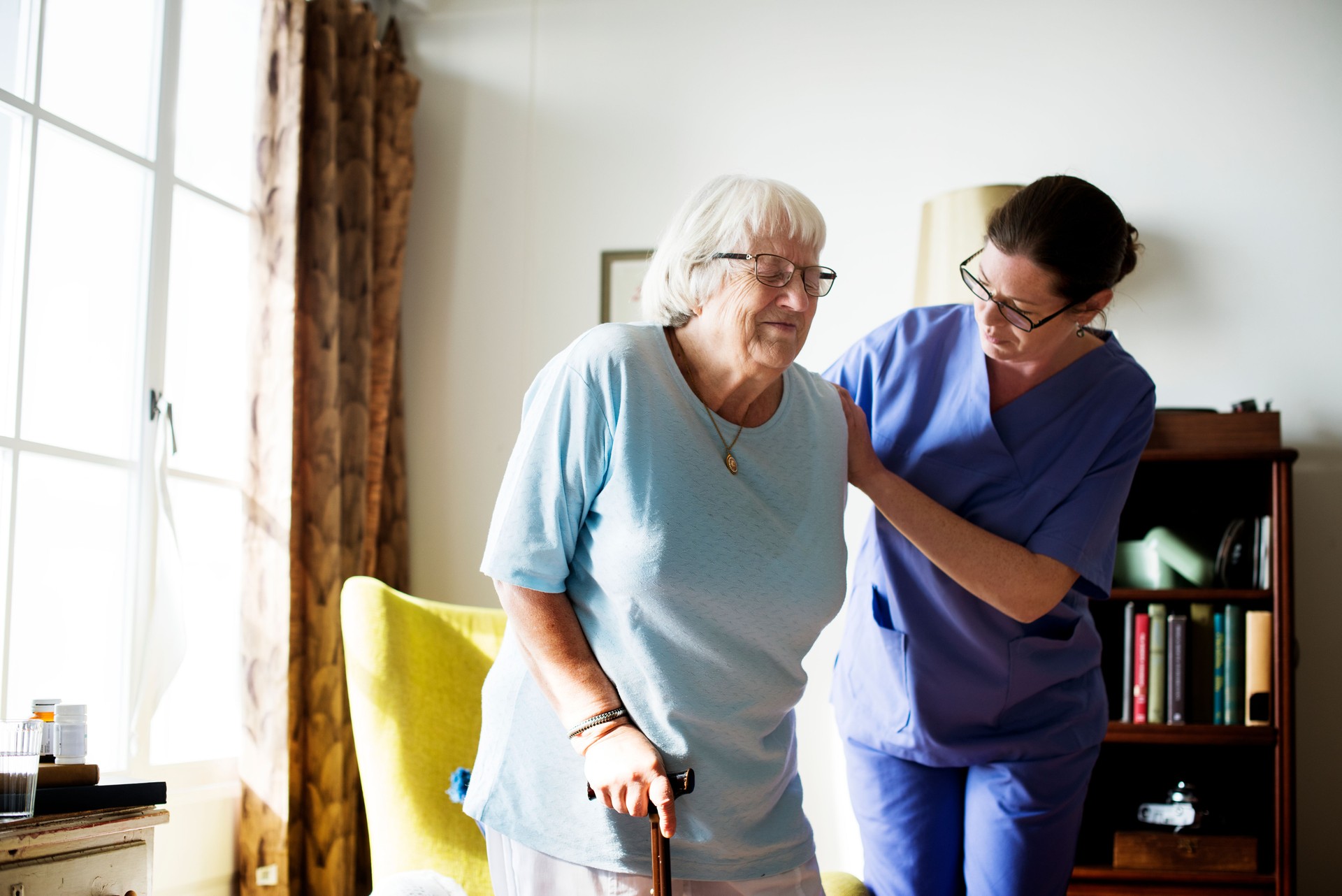
We Support Our NHS Services
We Support Our NHS Services
Reliable information about NHS services, including GPs, hospitals, pharmacies, and digital tools.
Key NHS Services
GP Services: Finding and registering with a GP, appointments, and referrals.
Hospitals: Booking, managing appointments, and inpatient care.
Dental Services: Locating NHS dentists, treatment costs.
Prescriptions: Charges, exemptions, repeat prescriptions.
Pharmacies: Medicines, minor illness support, advice.
Urgent & Emergency Care: NHS 111, A&E, urgent treatment centres.
Mental Health Services: Access NHS psychological and psychiatric support.
Vaccination Services: Book appointments, walk-in clinics.
Services A–Z: NHS national service finder.
Online NHS Services: NHS number, test results, appointments, NHS App.
Sexual Health Services: STI testing, contraception, reproductive health.
Visiting or Moving to England: Guidance for new residents.
Opticians & Sight Tests: Free eye test eligibility, finding opticians.
Help with Health Costs: Travel costs, Universal Credit support, personal health budgets.
Local Integrated Care Boards (ICBs): NHS services coordination.
Armed Forces Community Healthcare: Veterans, serving personnel, and families.
Healthcare for Students: GP registration, contraception, and student health.
Gender Dysphoria Clinics: Referrals and services in England.

Integrated Care Coordination
Efficient management of health and social services, fostering seamless transitions and continuity of care.
Integrated Care Coordination Implementation Framework – UK
Step 1: Establish Governance and Leadership
Form a Steering Committee: Include representatives from hospitals, primary care, community health services, social care agencies, mental health providers, and patient advocates.
Define Roles and Responsibilities: Assign leadership for care coordination, data management, quality assurance, and patient engagement.
Develop Policies and Standards: Create protocols for referrals, transitions, communication, and information sharing.
Outcome: Clear accountability, decision-making structure, and compliance with UK health and social care regulations.
Step 2: Centralize Patient Information
Implement Shared Electronic Health Records (EHR): Integrate health, social care, and mental health records into a secure, unified platform accessible to all providers.
Real-Time Updates: Ensure all patient interactions, medication changes, and care plan adjustments are immediately reflected.
Data Privacy and Security: Comply with UK GDPR and NHS data security standards.
Outcome: A single source of truth for patient information, reducing duplication and errors.
Step 3: Assign Care Coordinators
Dedicated Care Coordinators: Assign a coordinator or case manager to each patient, especially for those with complex needs (chronic illness, elderly, neurodevelopmental conditions).
Responsibilities Include:
Coordinating appointments and referrals
Communicating between health and social care teams
Monitoring progress and follow-ups
Supporting patient and family engagement
Outcome: Streamlined communication and a consistent point of contact for each patient.
Step 4: Develop Integrated Care Plans
Comprehensive Assessment: Include medical history, social care needs, mental health status, and patient goals.
Collaborative Planning: Involve interdisciplinary teams (GPs, specialists, nurses, social workers, therapists).
Dynamic Updates: Review and update care plans regularly based on patient progress and changing needs.
Outcome: Personalized care that addresses all aspects of a patient’s health and social well-being.
Step 5: Streamline Referrals and Transitions
Standardized Referral Process: Use electronic referrals with required clinical information to reduce delays.
Seamless Transitions: Develop pathways for hospital-to-home, pediatric-to-adult services, and specialist-to-community care.
Follow-Up Protocols: Post-discharge check-ins by care coordinators or community nurses to monitor recovery and prevent readmissions.
Outcome: Faster, safer, and smoother transitions across care settings.
Step 6: Establish Multidisciplinary Team Meetings
Regular Case Conferences: Weekly or biweekly meetings to review complex cases.
Shared Decision-Making: Ensure input from all relevant professionals, including social care workers and therapists.
Patient Involvement: Include patients and carers where appropriate to support shared decision-making.
Outcome: Collaborative care decisions, better communication, and improved patient outcomes.
Step 7: Implement Patient Engagement Strategies
Education and Self-Management: Offer workshops, digital tools, and resources to help patients manage chronic conditions.
Patient Portals: Provide secure access to care plans, test results, appointments, and communication with the care team.
Feedback Mechanisms: Collect patient satisfaction data to improve services.
Outcome: Empowered patients with improved adherence and health literacy.
Step 8: Monitor and Evaluate Performance
Key Metrics: Track hospital readmissions, emergency visits, waiting times, patient satisfaction, and care plan adherence.
Data Analytics: Use predictive analytics to identify high-risk patients and prevent complications.
Continuous Improvement: Review outcomes and adjust processes for efficiency and quality improvement.
Outcome: Evidence-based service delivery and ongoing improvement in care coordination.
Step 9: Optimize Resources and Workforce
Resource Allocation: Ensure adequate staffing, equipment, and social care support.
Workforce Training: Train staff in integrated care approaches, communication skills, and digital systems.
Technology Use: Implement telehealth, mobile apps, and automated reminders to increase efficiency.
Outcome: Cost-effective, sustainable care delivery with a skilled, coordinated workforce.
Step 10: Scale and Expand
Pilot Programs: Start with high-need patient populations before scaling system-wide.
Integration Across Regions: Expand successful models to local Integrated Care Boards (ICBs) and community health networks.
Policy Alignment: Ensure alignment with NHS England’s integrated care strategies and social care policies.
Personalized Health Consultations
Comprehensive Social Support
Integrated Care Coordination